





The Future of Pekw’xe:yles Begins Here

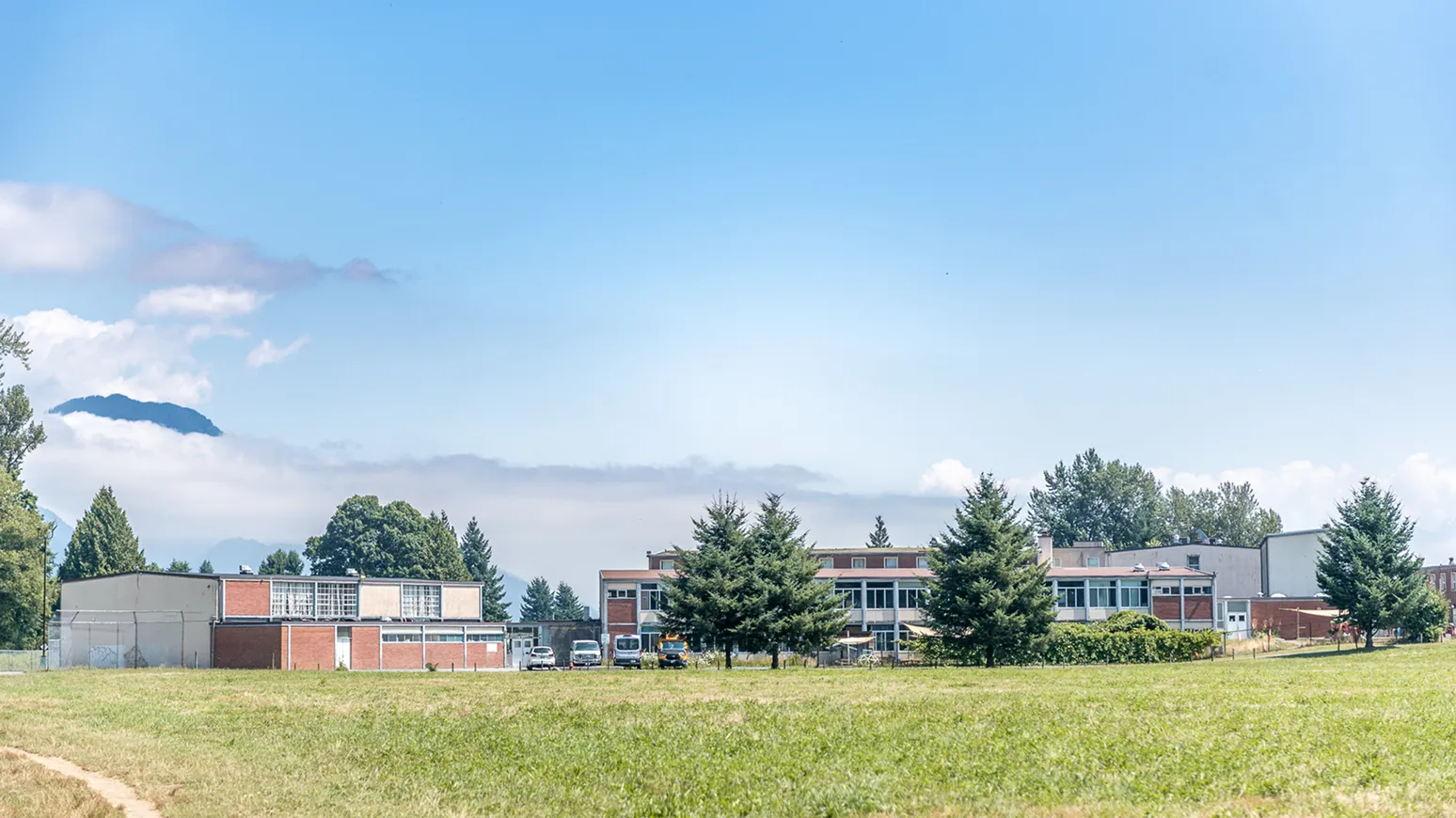
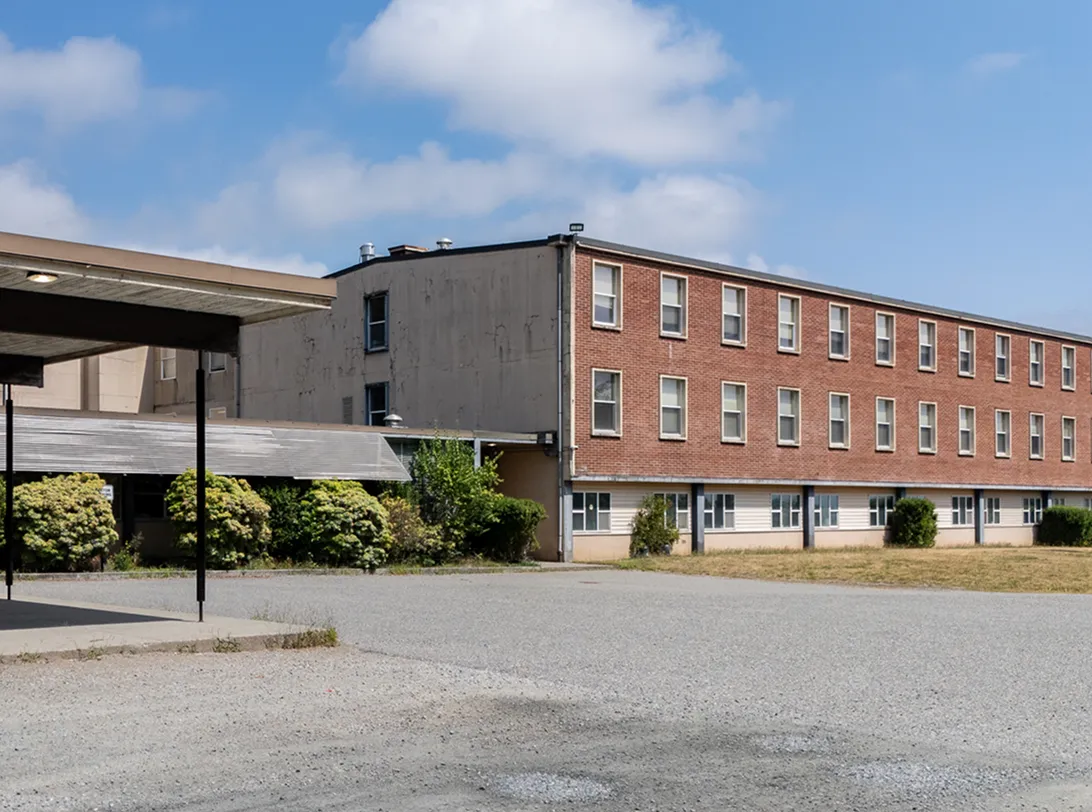
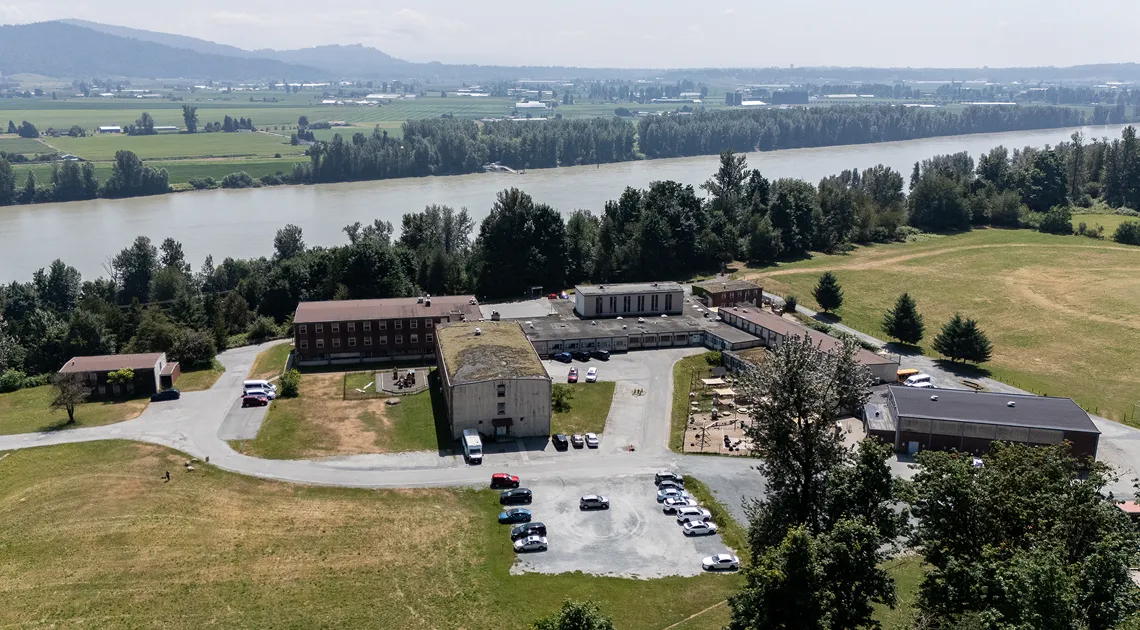
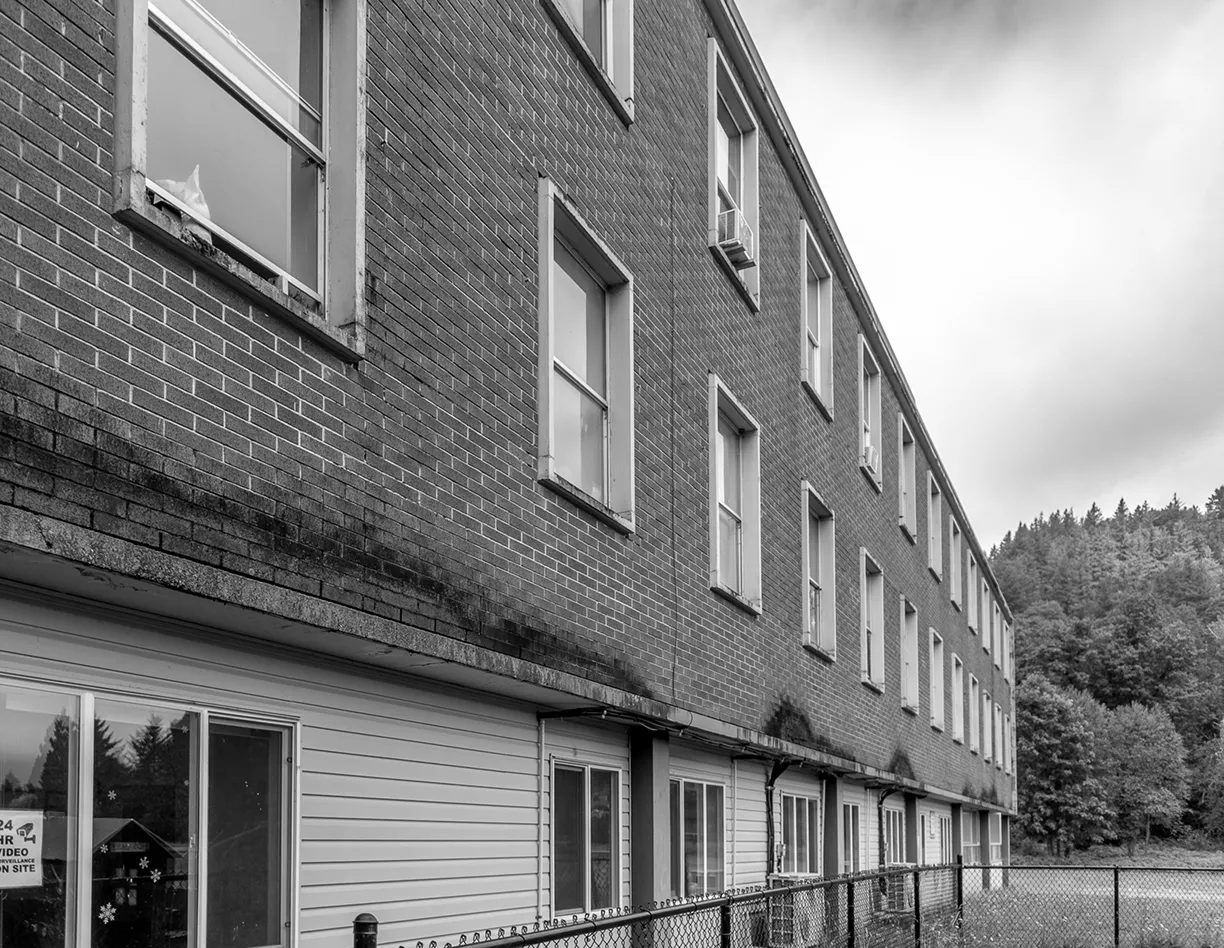
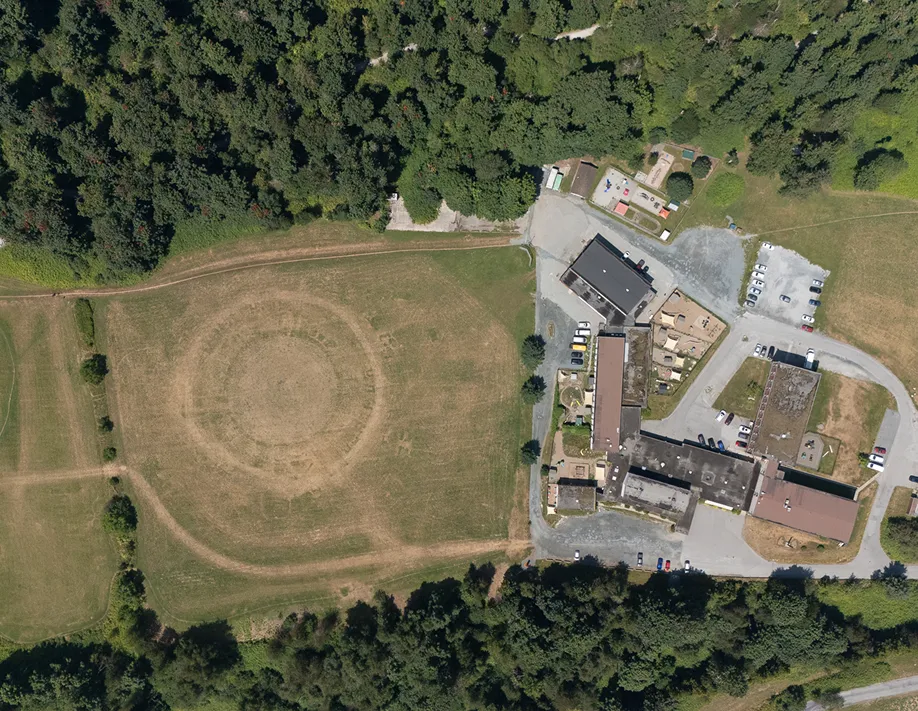
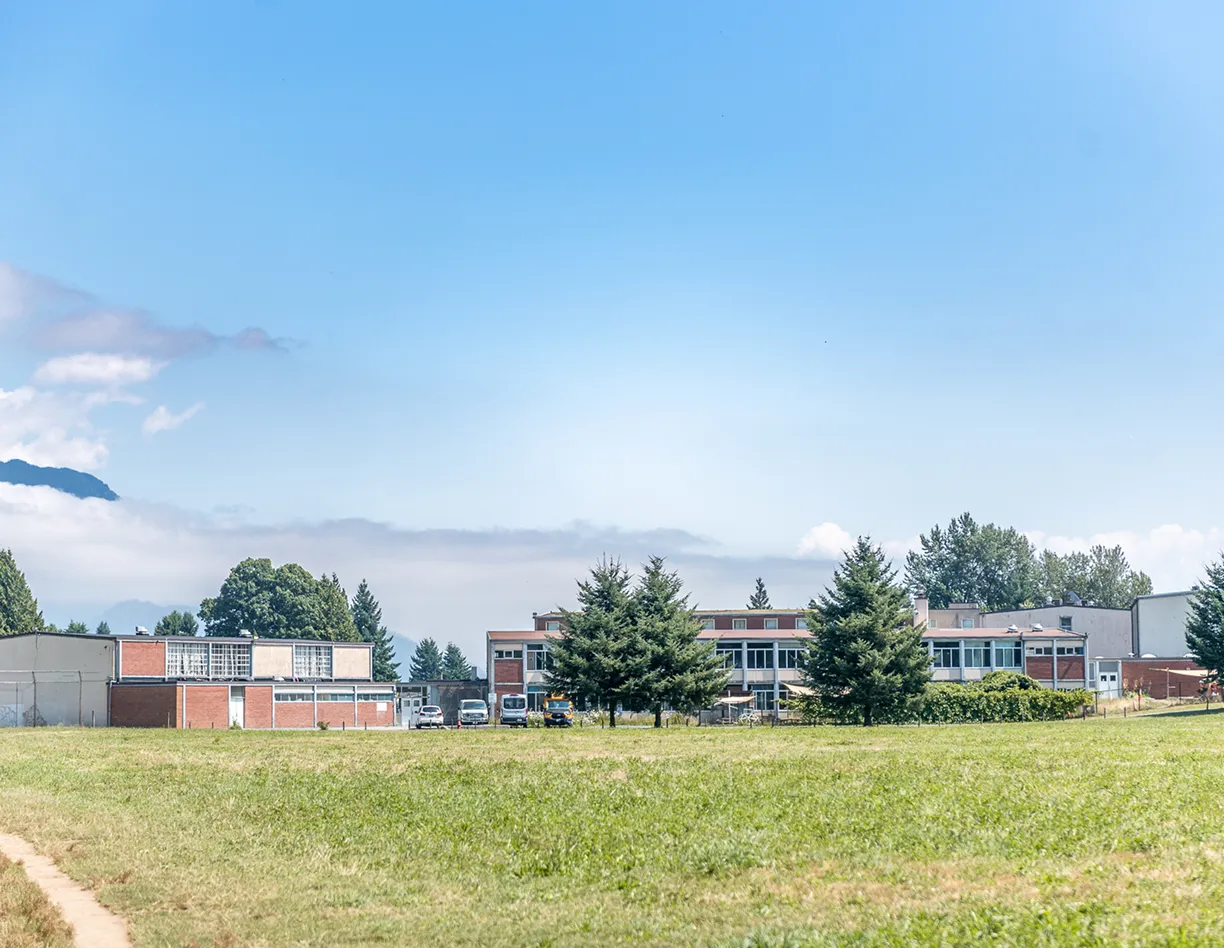
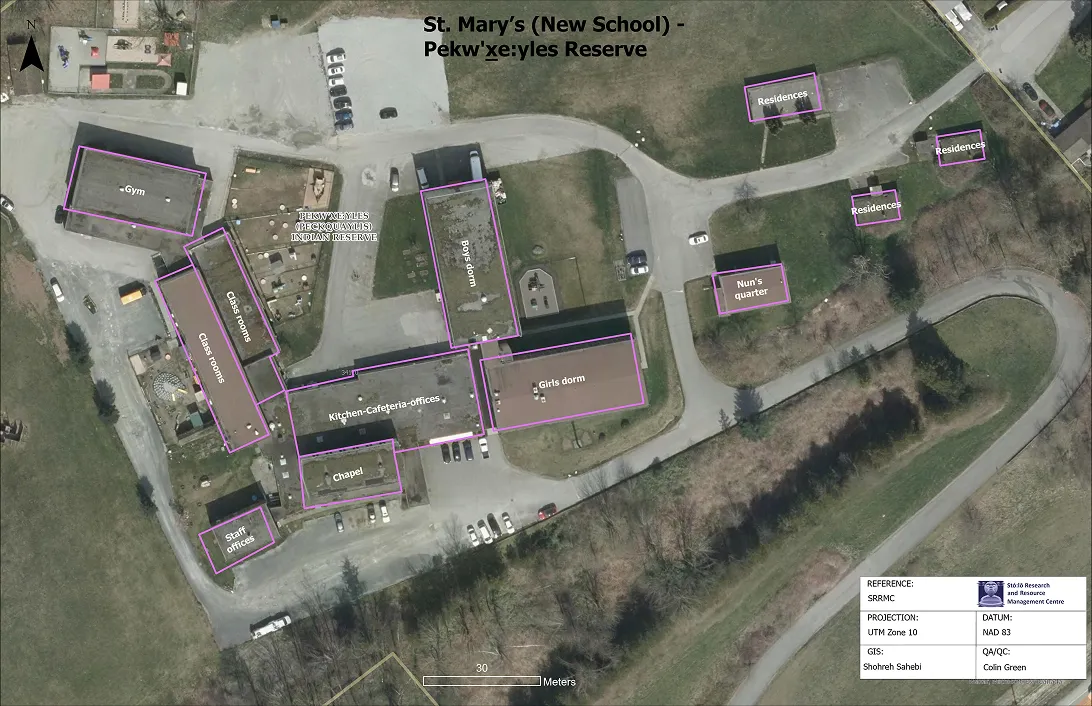
The buildings at the former St. Mary’s site at Pekw’xe:yles (Peckquaylis) are projected to be demolished by 2027. Together, the Stó:lō communities are shaping what comes next.

Our Land, Our Future

The land now known as Pekw’xe:yles (Peckquaylis) carries over 160 years of colonial impact. St. Mary’s Residential School operated here and in two earlier locations from 1863 to 1984, making it the longest-running residential school in British Columbia.

Today, this place is shared by 21 Stó:lō communities. The buildings have served many uses: daycare centres, office space, and regional programs. But the past has never been forgotten.

St. Mary’s Residential School was run by the Catholic Church

Operated for 121 years across three locations in Mission, BC

Final site (now known as Pekw’xe:yles) used from 1961 to 1984

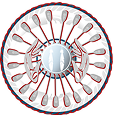
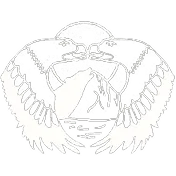
Circular graphic representing Coqualeetza with two feathers in the center and surrounding red-lipped gray paddles labeled with Indigenous place names and phrases related to 'Taking Care Of The Land'.

Thousands of students from across BC forced to attend 

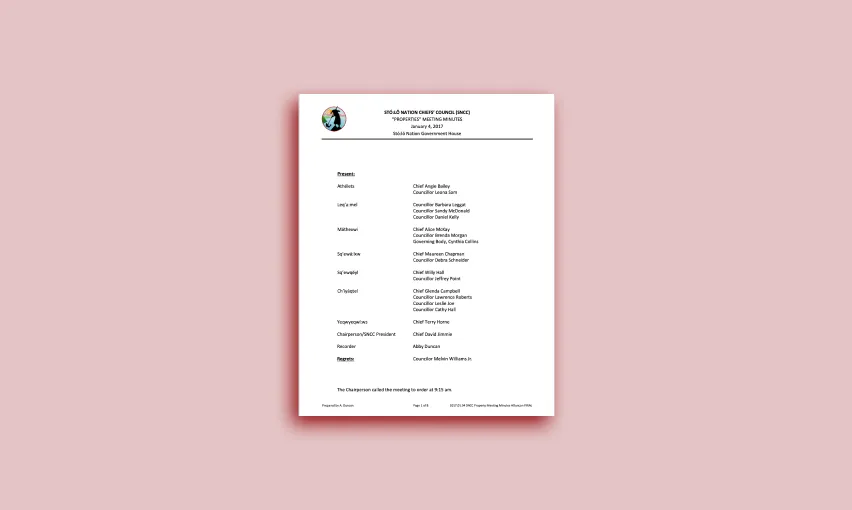
In 2021, Stó:lō Nation Chiefs Council initiated an investigation into missing children and potential unmarked burials associated with St. Mary’s.

Áthelets
Athelets
Kwaw Kwaw Apilt
Qweqw'ópelhp
Màthxwi
Màthxwi
Pópkw’em
Pópkw’em
Shxw' ow’hamel
Shxw'ōwhámel
Soowahlie
Th’ewá:li
Sq’ewá:lxw
Sq’ewá:lxw
Semà:th
Semà:th
Leq’á:mel
Leq'á:mel
Sq’ewqeyl
Sq’ewqéyl
 Shxwhá:y Village
Shxwhá:y Village
Sxwoyehà:là
Sxwoyehà:là
Ch’iyàqtel
Ch’iyáqtel
Yeqwyeqwí:ws
Yeqwyeqwí:ws
Sq’éwlets
Sq'ewlets
Cheam
Xwchíyò:m
Kwantlen
Kwantlen
Sqwá 
Sqwá
Chawathil
Chowéthel
Seabird Island
Sq’éwqel
Sts'ailes
Sts'ailes
Áthelets
Athelets
Kwaw Kwaw Apilt
Qweqw'ópelhp
Màthxwi
Màthxwi
Pópkw’em
Pópkw’em
Shxw' ow’hamel
Shxw'ōwhámel
Soowahlie
Th’ewá:li
Sq’ewá:lxw
Sq’ewá:lxw
Semà:th
Semà:th
Leq’á:mel
Leq'á:mel
Sq’ewqeyl
Sq’ewqéyl
 Shxwhá:y Village
Shxwhá:y Village
Sxwoyehà:là
Sxwoyehà:là
Ch’iyàqtel
Ch’iyáqtel
Yeqwyeqwí:ws
Yeqwyeqwí:ws
Sq’éwlets
Sq'ewlets
Cheam
Xwchíyò:m
Kwantlen
Kwantlen
Sqwá 
Sqwá
Chawathil
Chowéthel
Seabird Island
Sq’éwqel
Sts'ailes
Sts'ailes

The timeline below includes references to colonial policies and government actions that caused harm to Indigenous Peoples. While it focuses on land and building history, it also includes important context about laws and systems, including the Indian Act, that contributed to the residential school system. Please take care as you read. If you or someone you know was impacted by St. Mary’s and needs support, click here.

1861
1863
1882
1920
1936-1955
1959
1960–1961
1960
1968
1969
1980
1983
1984
1985–1987
1990
1991–1992
1993
2002–2003
2003
2004
2005
2006
2008
2021
2022
2024
2027
2028

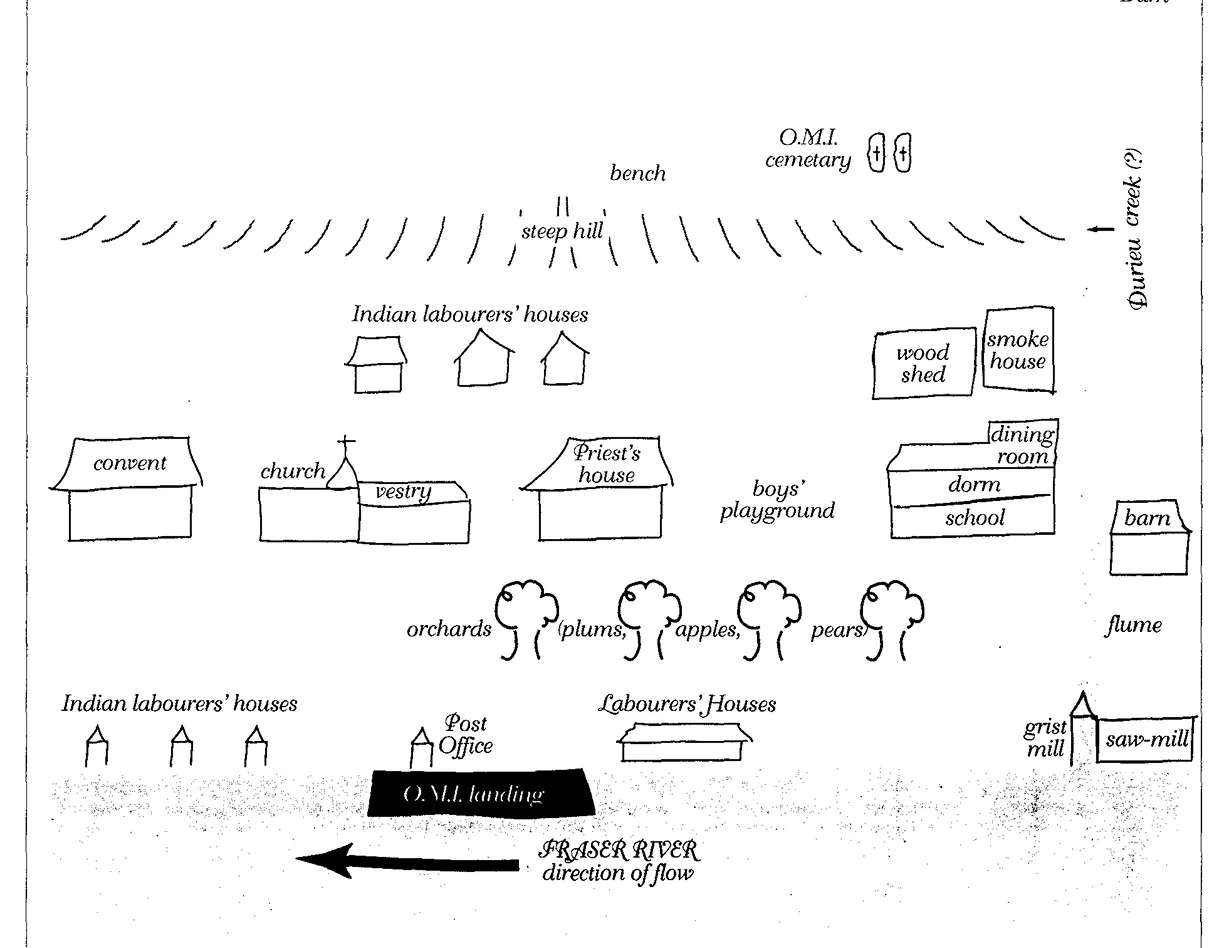
1861

The Colonial Government grants the land to the Order of the Oblates of Mary Immaculate, to be used as a central meeting place for Indigenous Peoples and as a site for education, worship, and administration. Construction on St. Mary’s Residential School begins.

A drawing of a diagram of a town.

Recounted by Cornelius Kelleher and reproduced by Clark, Melanie Ann Jones. “Saint Mary’s Mission (Mission City, British Columbia) 1861 to 1900.” Master Thesis, University of British Columbia, 1993, 78

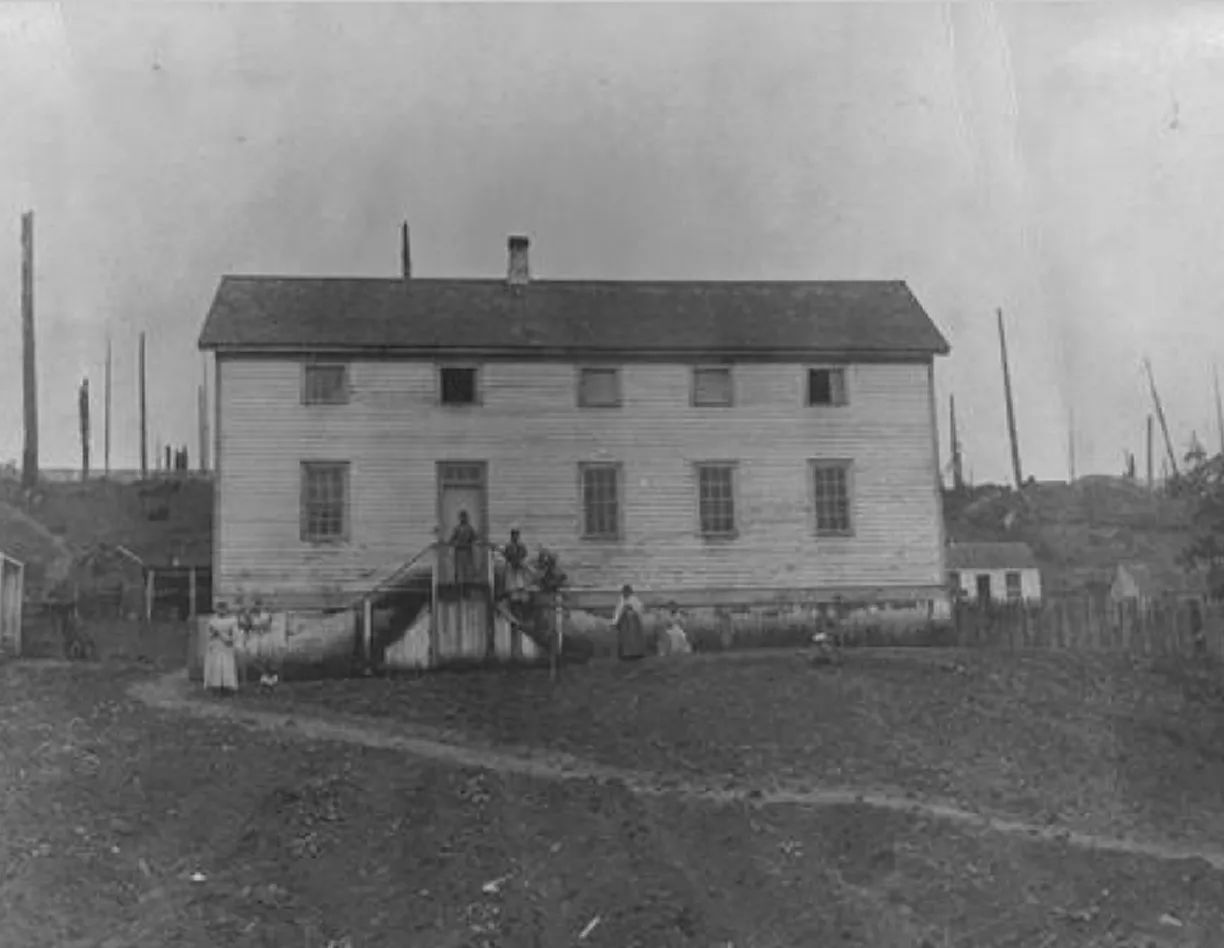
1863

The first St. Mary's Indian Residential School is constructed near the Fraser River. The early location is not part of the current Pekw'xe:yles, but marks the beginning of one of the longest-running residential schools in British Columbia.

An old black and white photo of a house.

Sisters of St. Ann

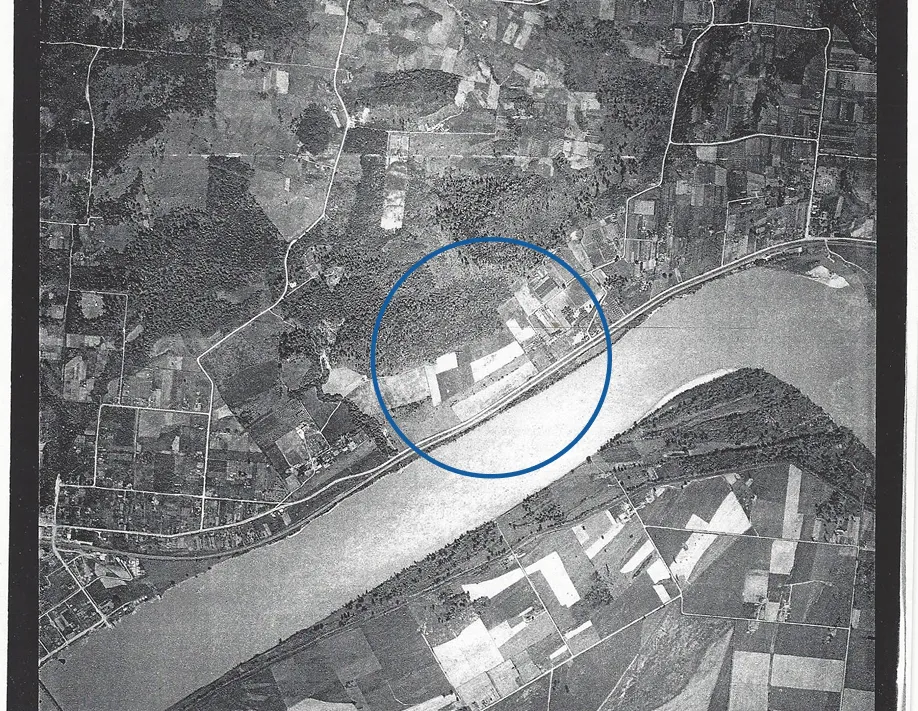
1882

The school moves from its original location on the property to accommodate the Canadian Pacific Railway. The second location, in what is now Fraser River Heritage Park, opens in 1885.

A black and white photo of a river and land.

National Air Photo Library, held by UBC Geographic Information Centre

1920

The federal government amends the Indian Act, giving itself the authority to compel any Indigenous child aged 7–15 to attend either a day school or a residential school.

Children from many First Nation communities across Canada are forcibly removed from their families and placed in schools like St. Mary’s, where they are not allowed to speak their language or practice their culture. This law remains in effect for decades.

A black and white photo of a farm house.

Deschâtelets-Notre-Dame-du-Cap Archives 

1936-1955

Residential schools, including St. Mary's were known to have high rates of tuberculosis among their students due to overcrowded and unsanitary conditions. In an effort to manage the spread of tuberculosis, St. Mary's establishes a preventorium on site in 1936, which closes in 1955.

An old black and white photo of a farm.

Mission Community Archives

1959

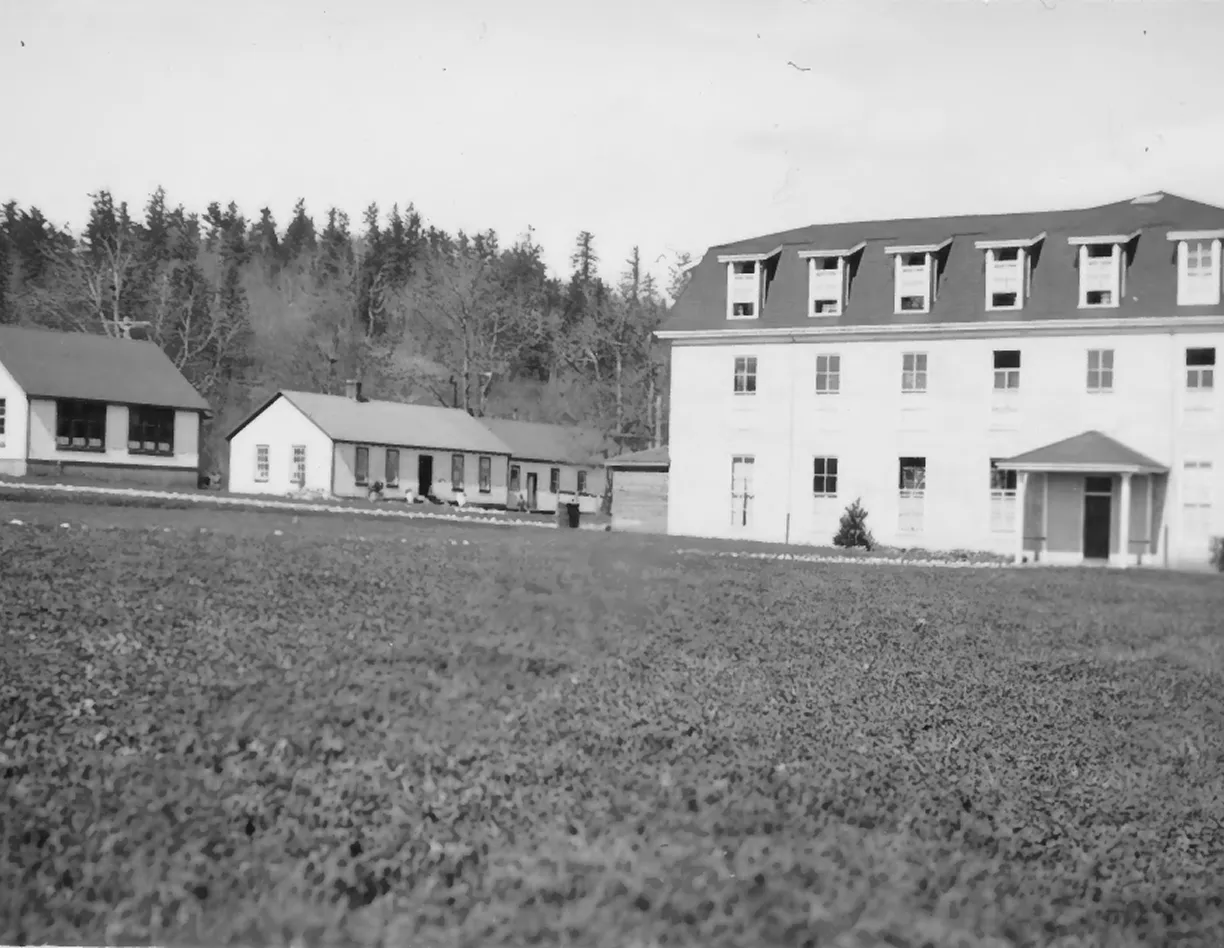
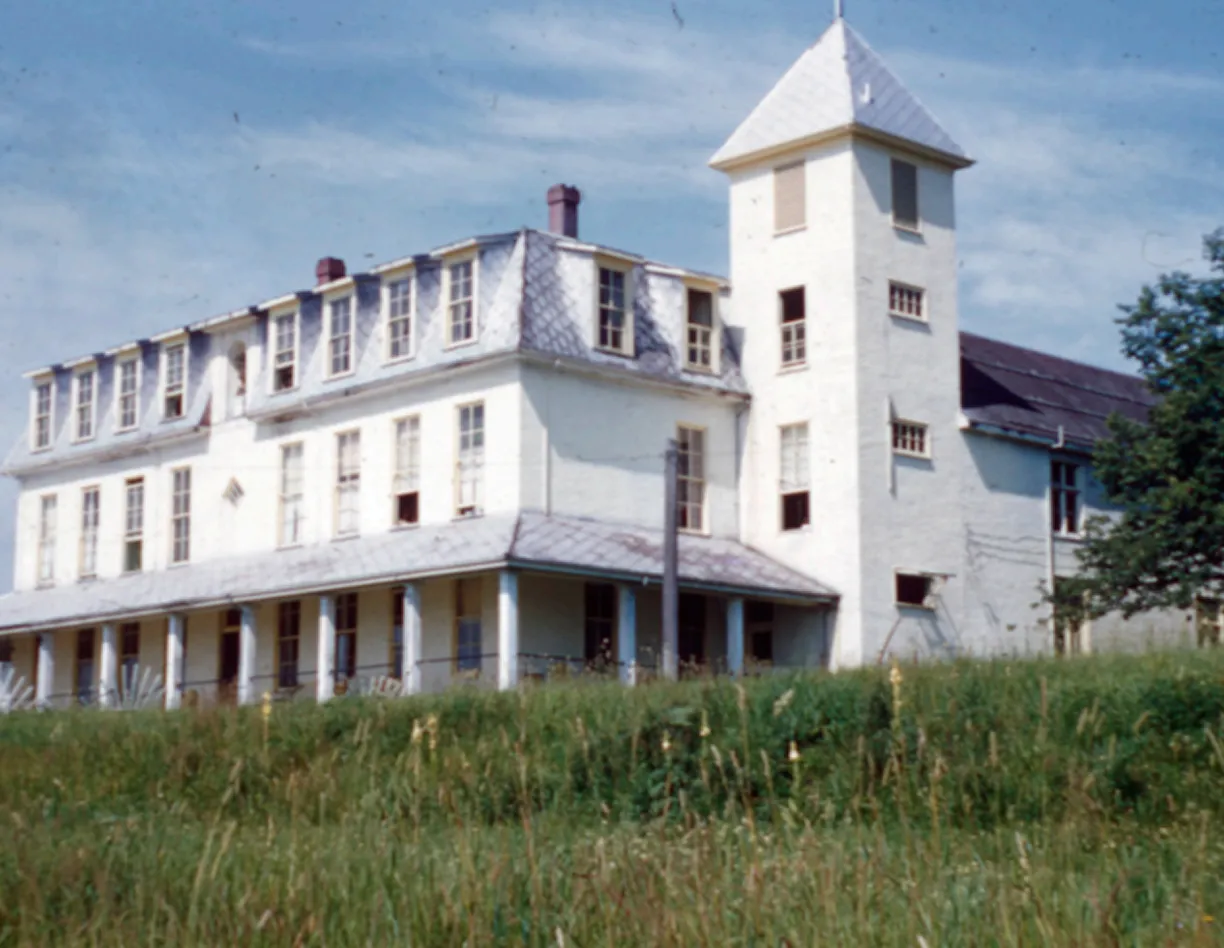
The government approves construction of a new school building, citing overcrowding and unsafe conditions at the older site.

A large white building sitting on top of a lush green field.

Deschâtelets-Notre-Dame-du-Cap Archives 

1960–1961

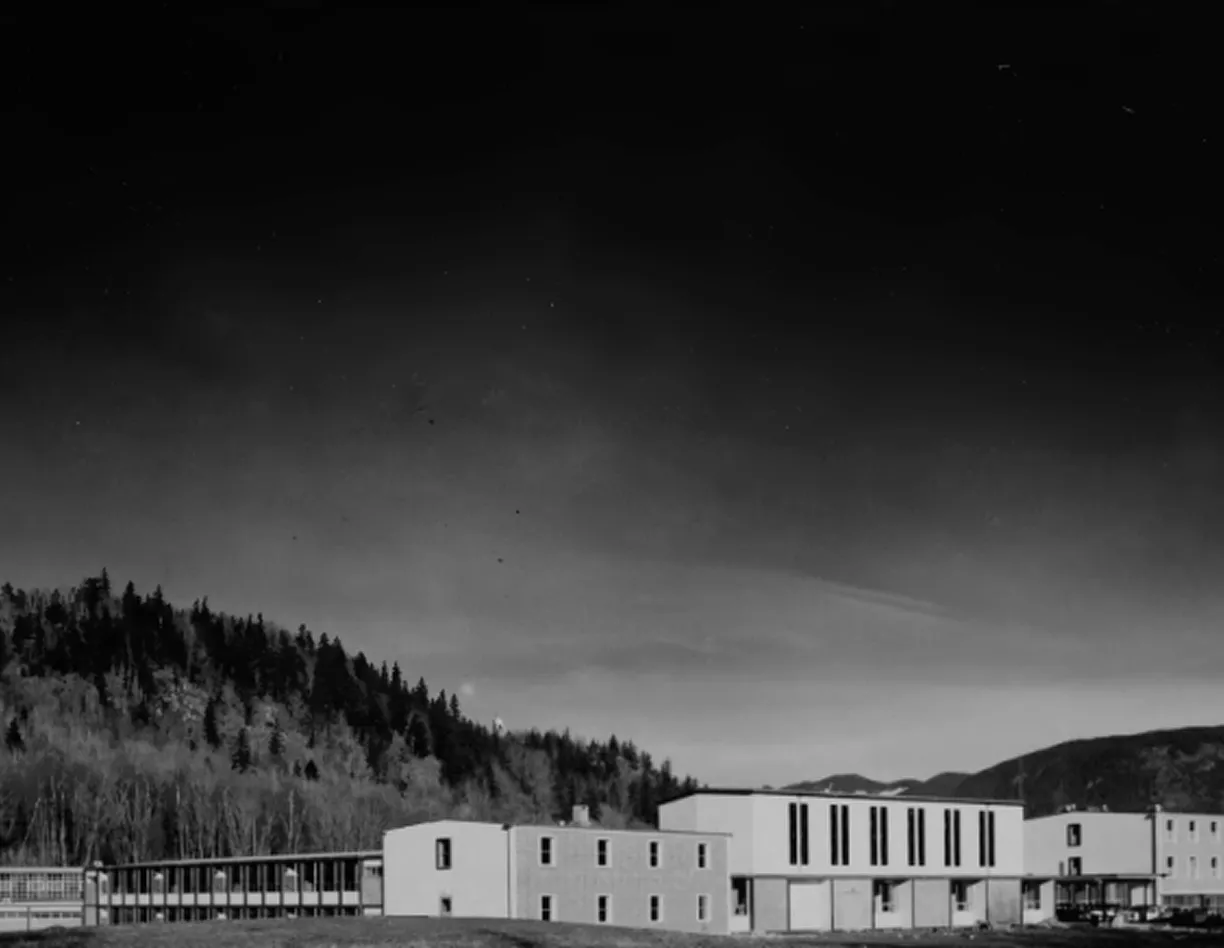
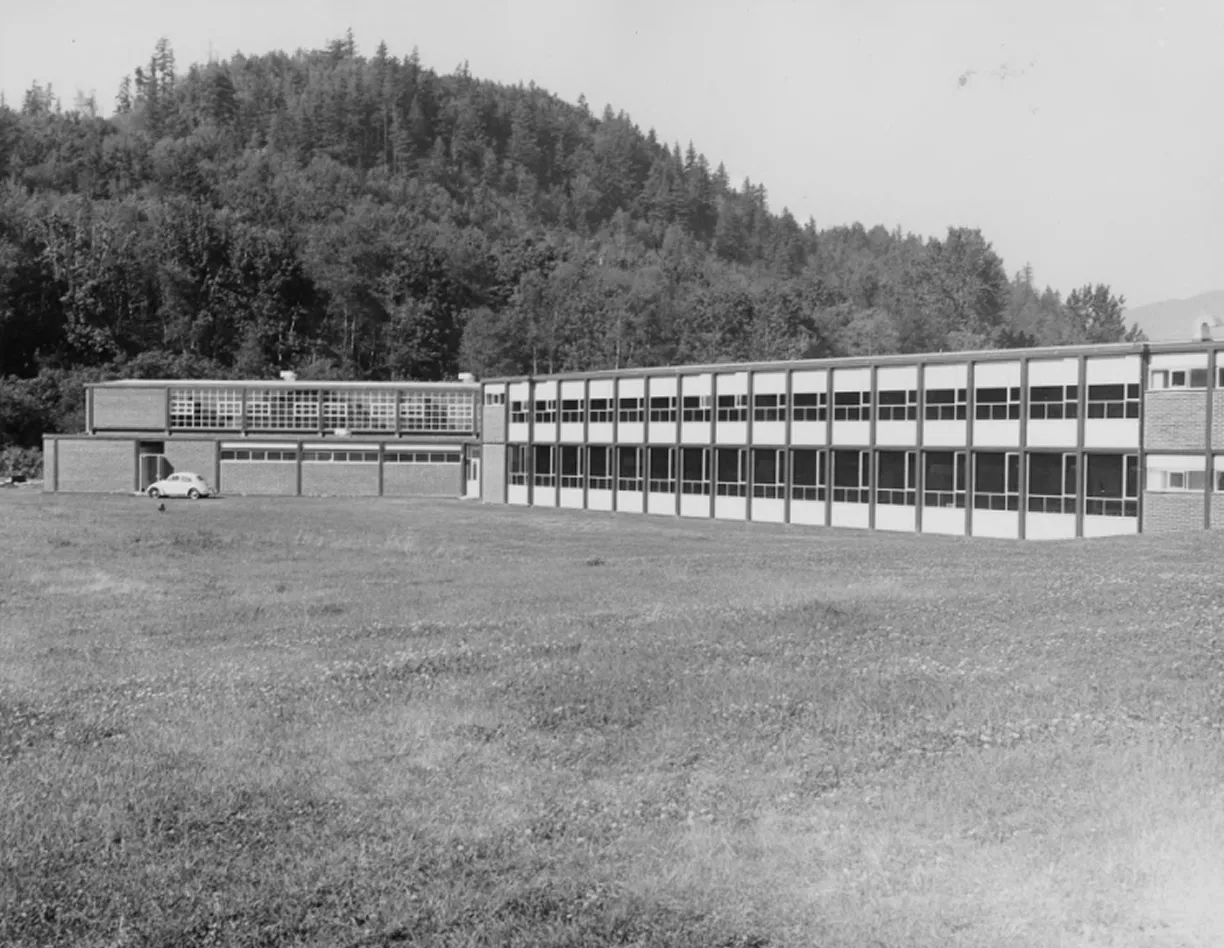
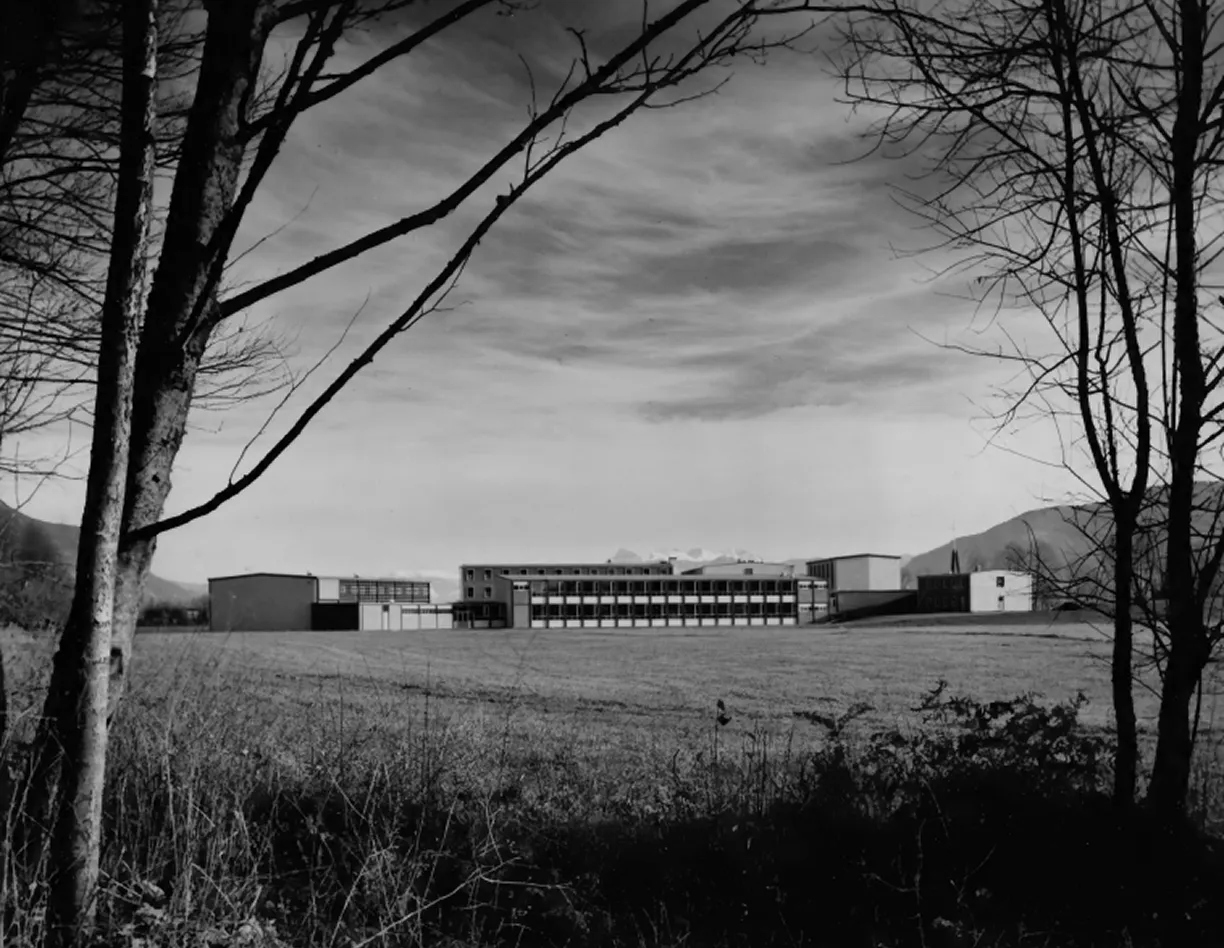
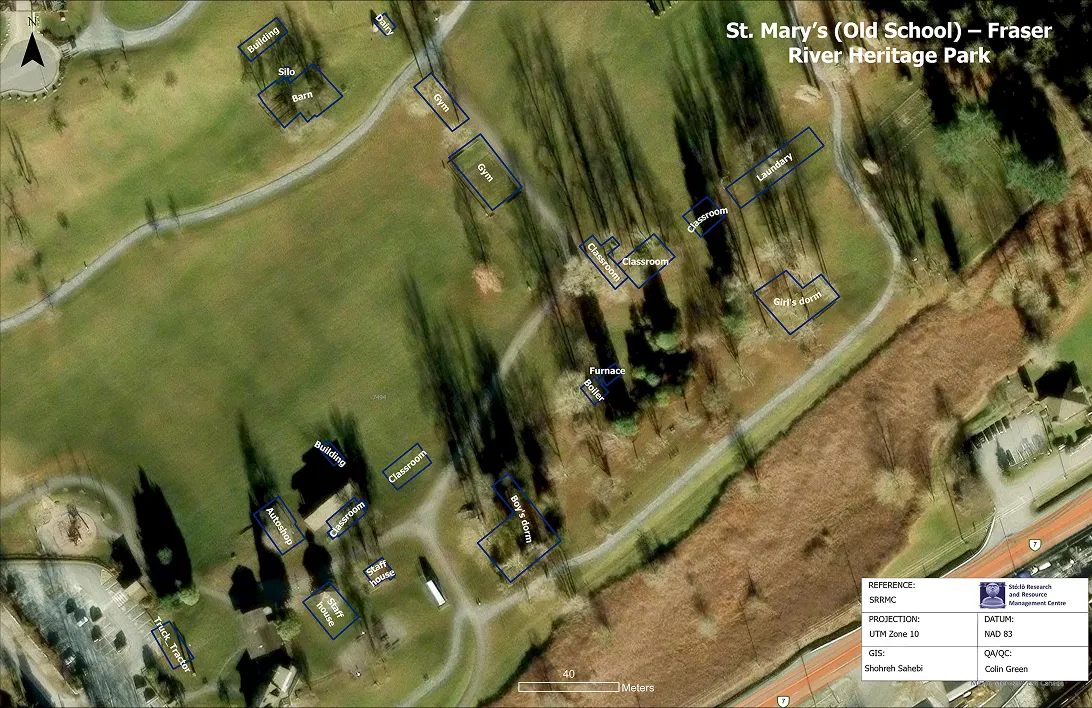
The federal government purchases new land - now the Pekw’xe:yles Reserve - just to the east of the second site. A modern school complex is built and officially opens on September 20, 1961. It includes dormitories, classrooms, a chapel, gymnasium, and living quarters for staff and clergy. It is designed to house up to 300 children.

A black and white photo of a building with mountains in the background.

Oblates of Mary Immaculate

1960

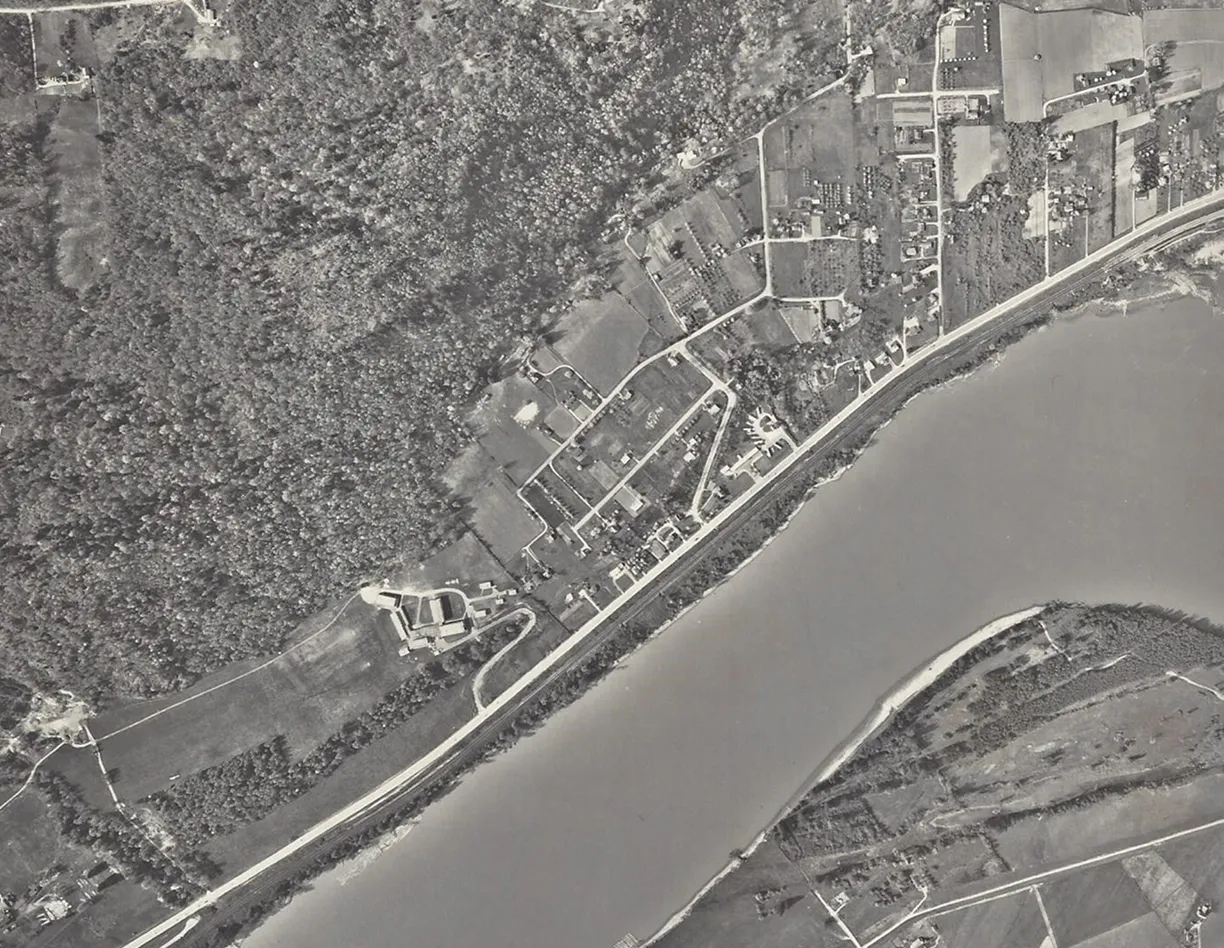
The Order of the Oblates officially transfers ownership of the property to the Federal Crown.

An aerial view of a river and a city.

National Air Photo Library, held by UBC Geographic Information Centre

1968

The school portion of the residential school was closed and the facility renamed the St. Mary’s Student Residence, continuing to house Indigenous children who attended public schools in the area. It continues in use until the residence finally closed in 1984.

A black and white photo of a school building.

Oblates of Mary Immaculate

1969

The property is fully administered by the Department of Indian Affairs and Northern Development (DIAND).

A black and white photo of a building in a field.

Oblates of Mary Immaculate

1980

An electrical fire breaks out in the school. It goes undetected until smoke is seen coming through the roof. 122 children, aged 6 to 19, were inside. All were safely evacuated.

A black and white photo of a building.

1983

Stó:lō Nation expresses interest in regaining control of the St. Mary’s property. At the same time, the Canadian Pacific Education Association proposes leasing the land for an international boarding school.

An aerial view of a school in the middle of a field.

National Air Photo Library, held by UBC Geographic Information Centre

1984

After the residence closes, the land is leased to the Coqualeetza Education Training Centre (CETC) for $1 per year, to prevent it from being declared surplus Crown land — a designation that would have allowed the government to sell it without Indigenous consultation.

Political and municipal lobbying against reserve status begins, led by the former Mayor of Mission (Agnew) and the past Member of Parliament for the Federal Riding (St. Germaine). 

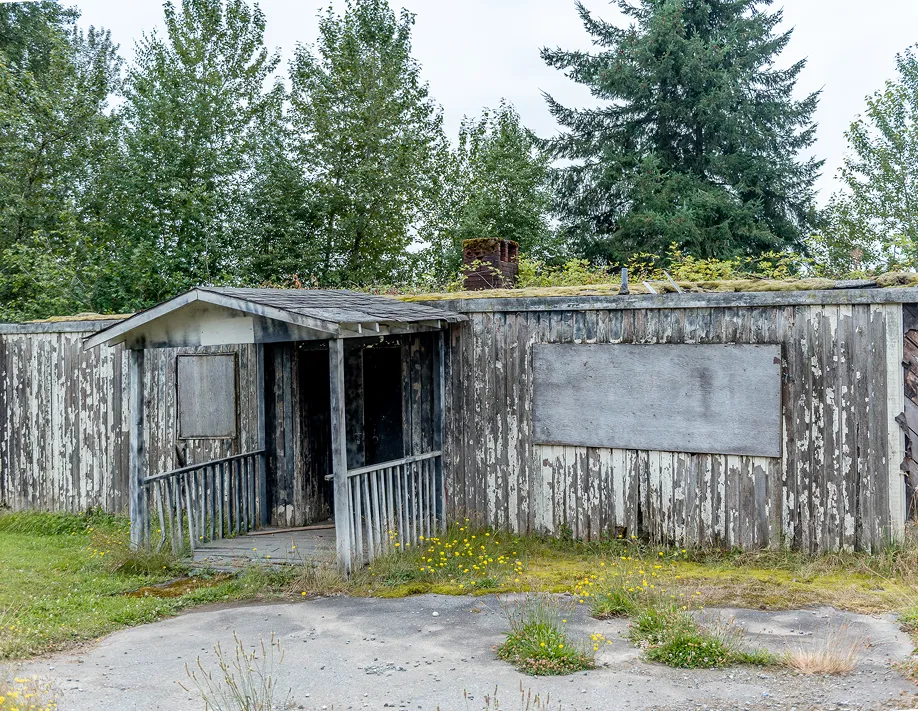
An old run down shack with a green roof.

1985–1987

A tax bill of $95,442 is issued to CETC, despite the land being federally owned and leased. The District of Mission sues CETC for unpaid taxes and urges the government to cancel the lease. The municipality proposes alternate uses for the land.

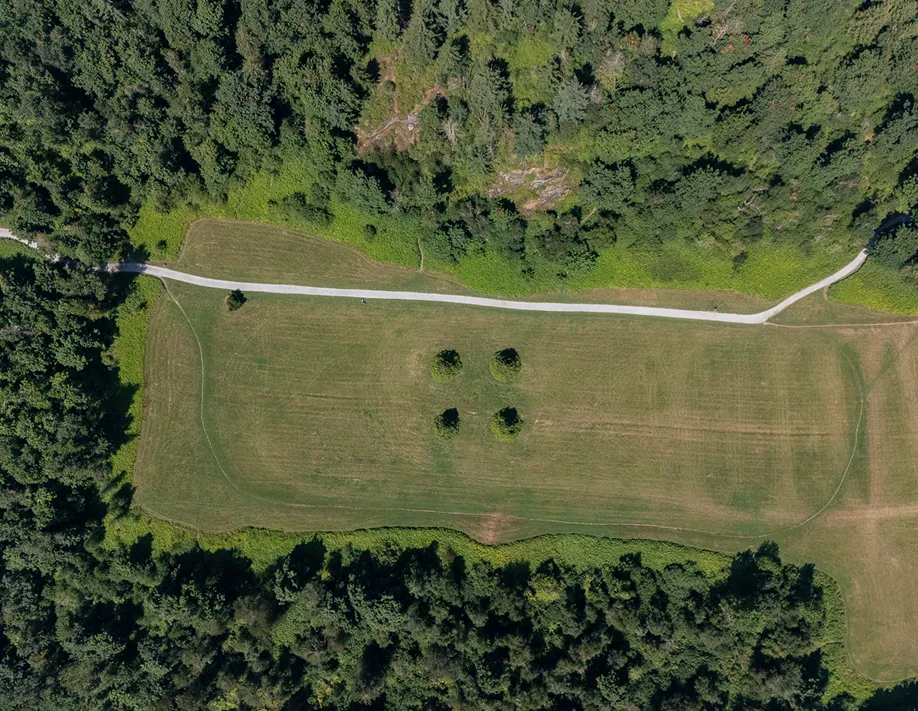
An aerial view of a road in the middle of a field.

1990

Mission agrees to support reserve status if the back taxes are paid, and a servicing and land use agreement is approved. Later that year, the Stó:lō Forum and the federal government offer $105,000 to settle the tax dispute.

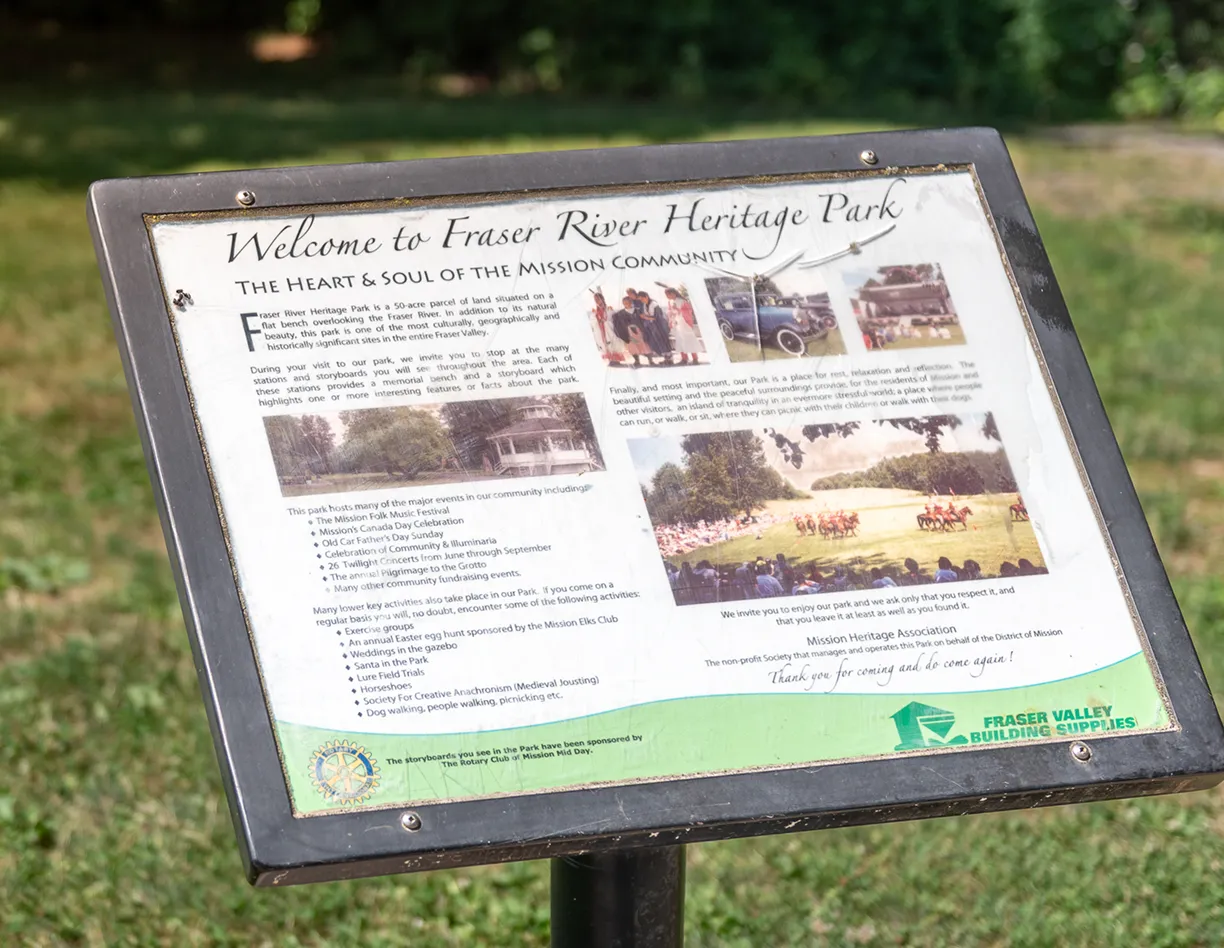
A sign in front of a grassy field.

1991–1992

The Deputy Minister of INAC approves the Additions to Reserve (ATR) process with conditions. The lawsuit is settled, and all parties agree to move forward with reserve designation and servicing negotiations.

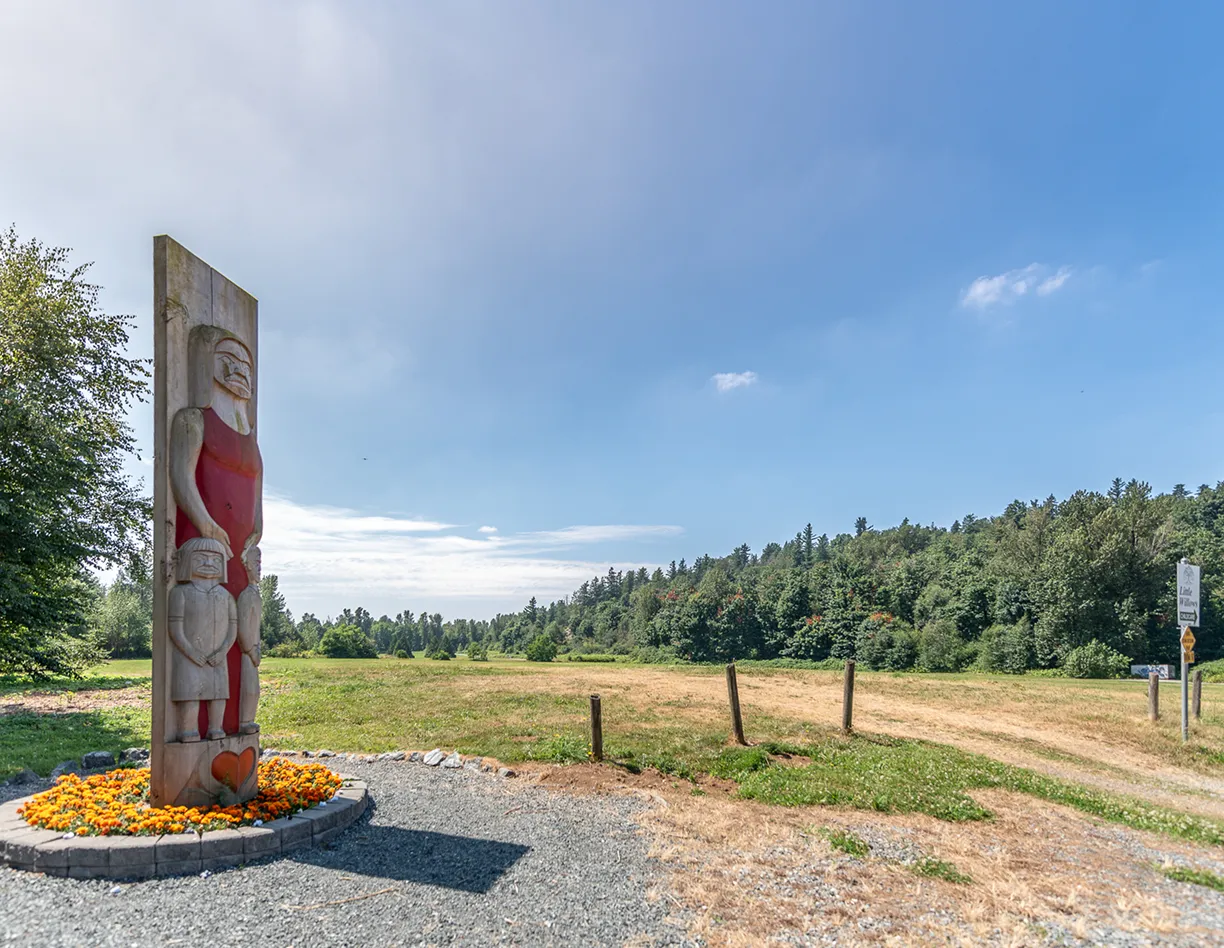
A large wooden carving of a man in a field.

1993

An environmental assessment and site cleanup is conducted. A Community Plan is created to guide future use of the site.

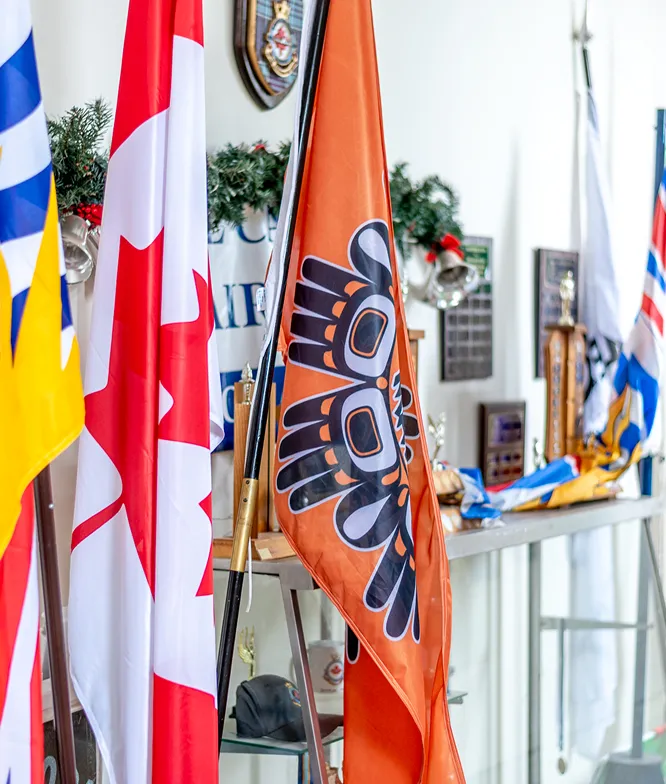
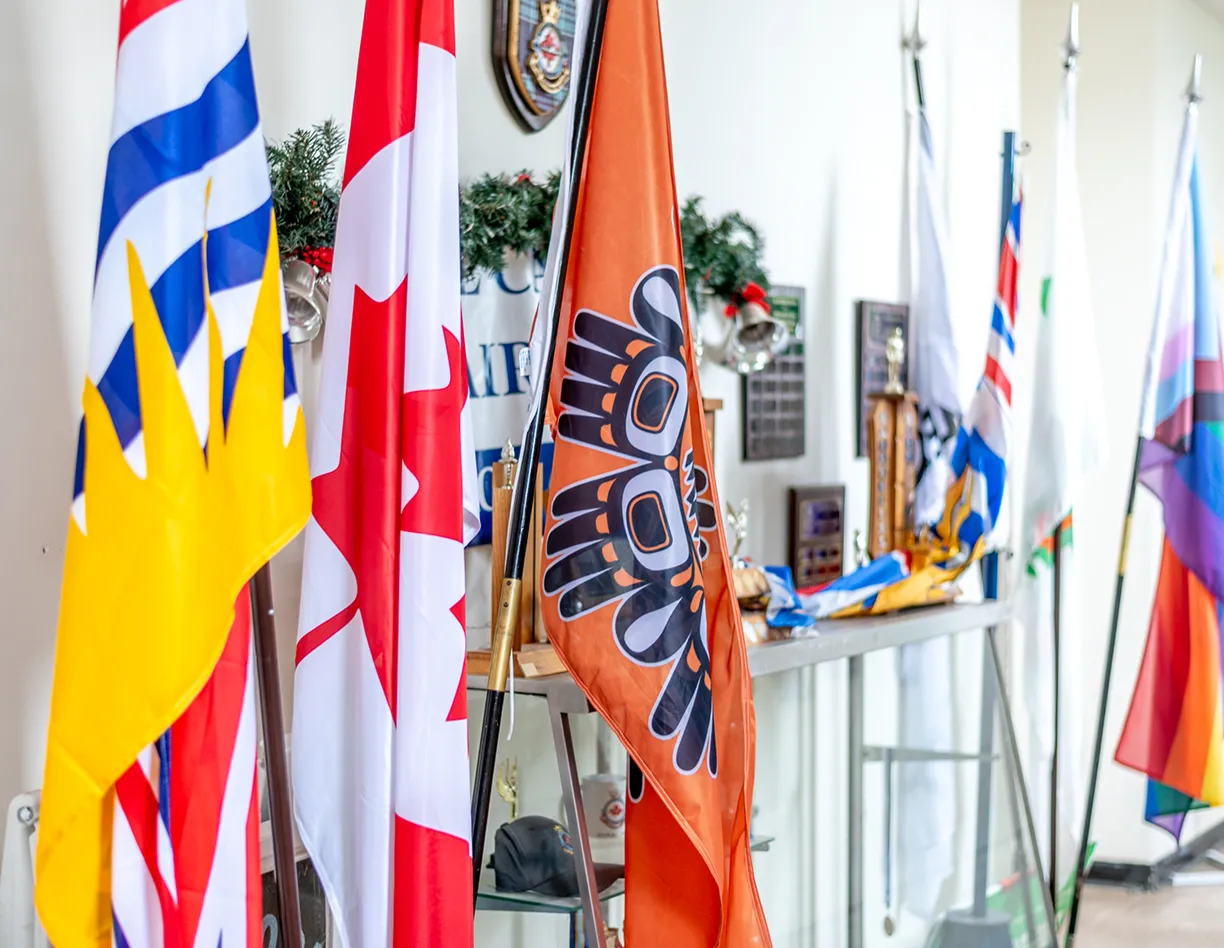
A room filled with lots of flags hanging from the ceiling.

2002–2003

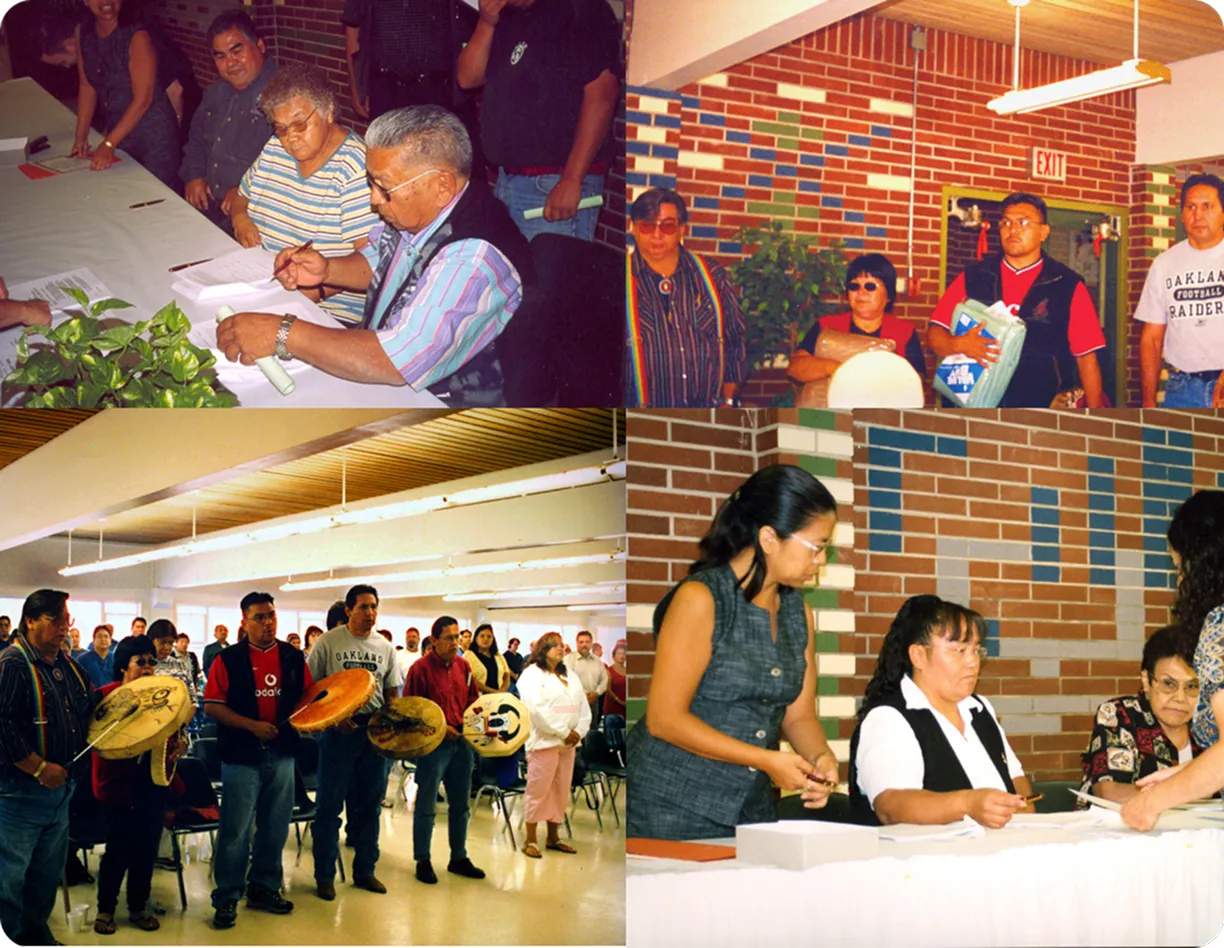
Stó:lō Nation hosts information sessions with the twenty-one communities to share updates on the ATR process and gather input.

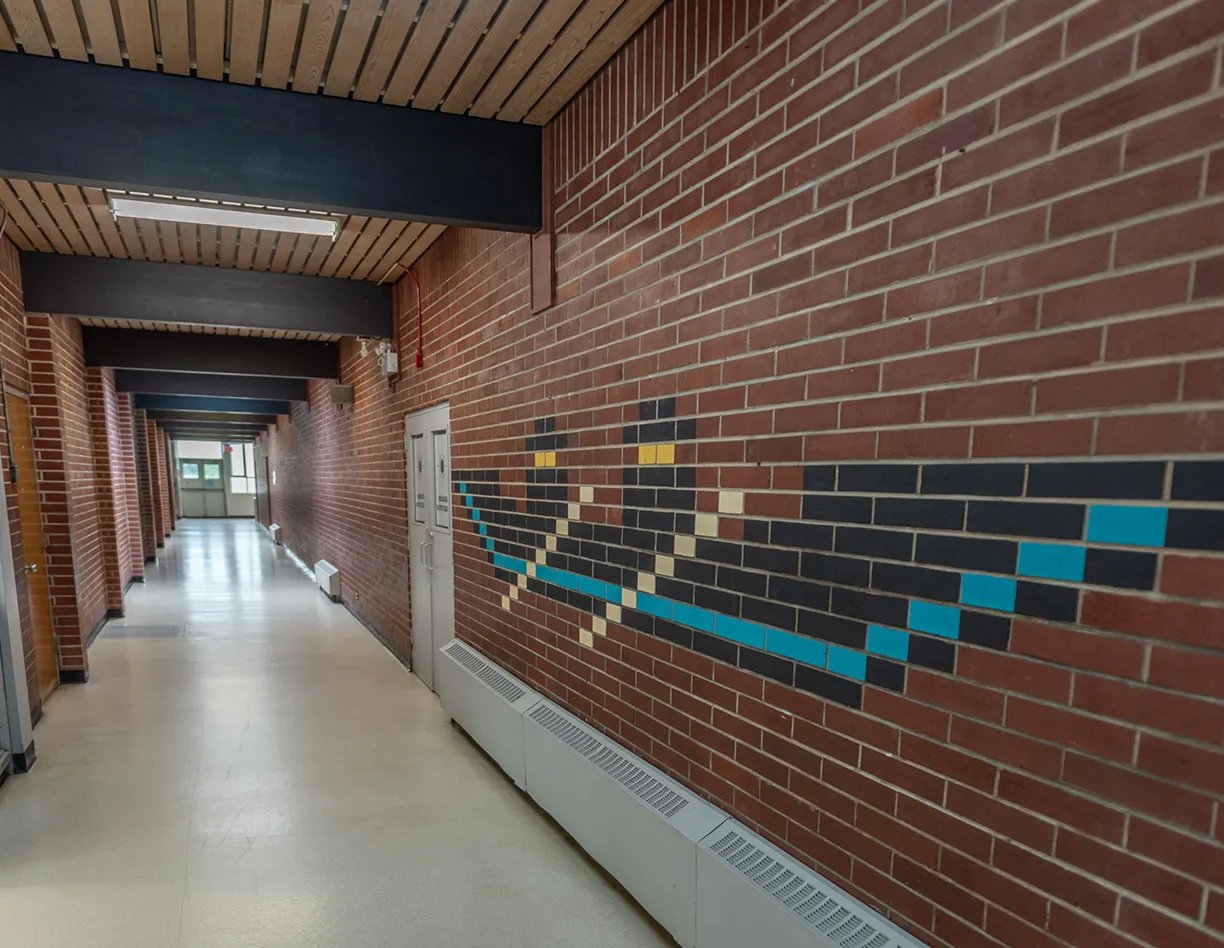
A hallway with a brick wall and a painting on the wall.

2003

St. Mary’s (Pekw’xe:yles) Additions to Reserve (ATR) 2003 signing ceremony.

A group of people standing around a table.

2004

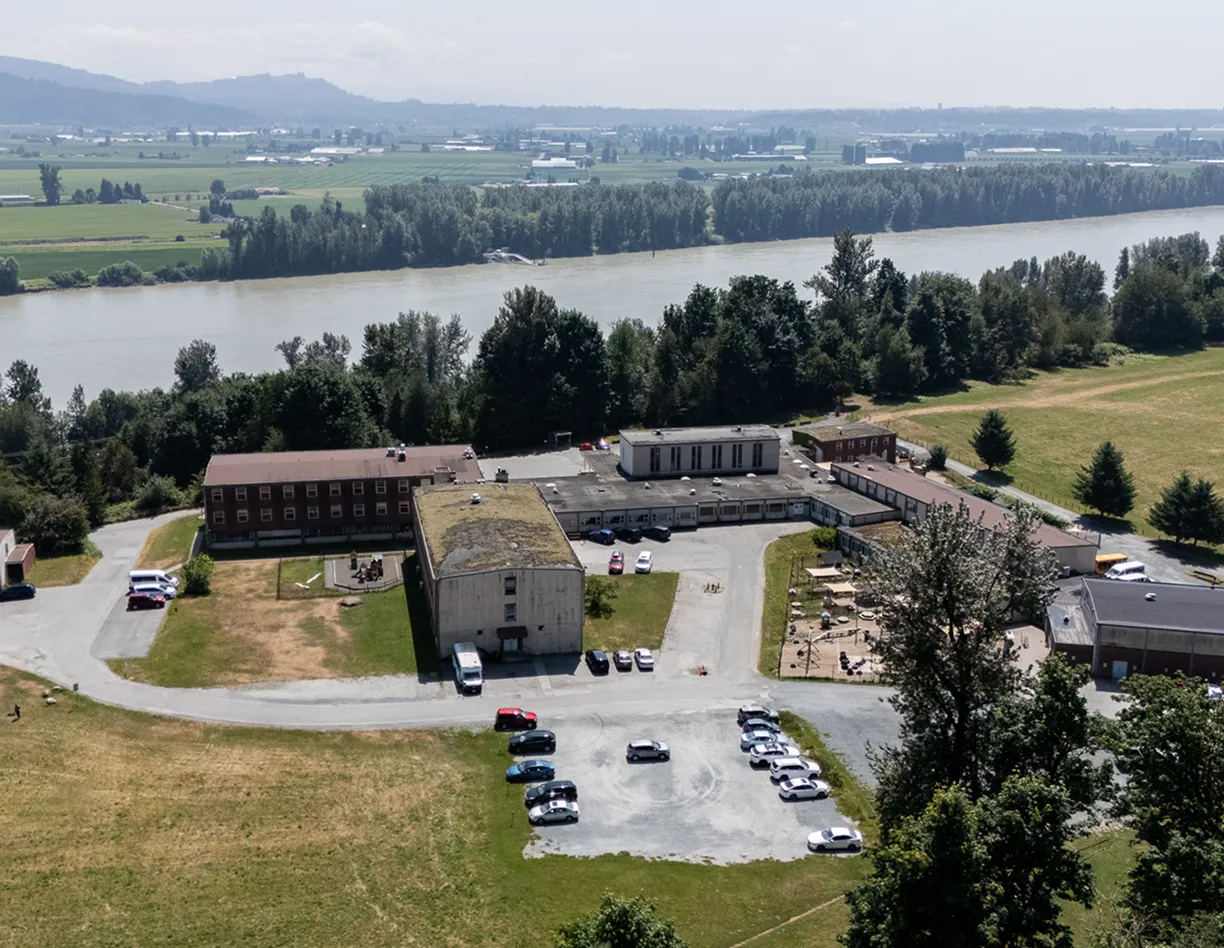
A Servicing Agreement is ratified between the District of Mission, the Stó:lō Nation Society, and all twenty-one Stó:lō communities that share the site.

An aerial view of a parking lot with a river in the background.

2005

The ATR is finalized, and the land is officially added to the reserve base through an Order in Council. The lease to the Stó:lō Nation is formally registered.

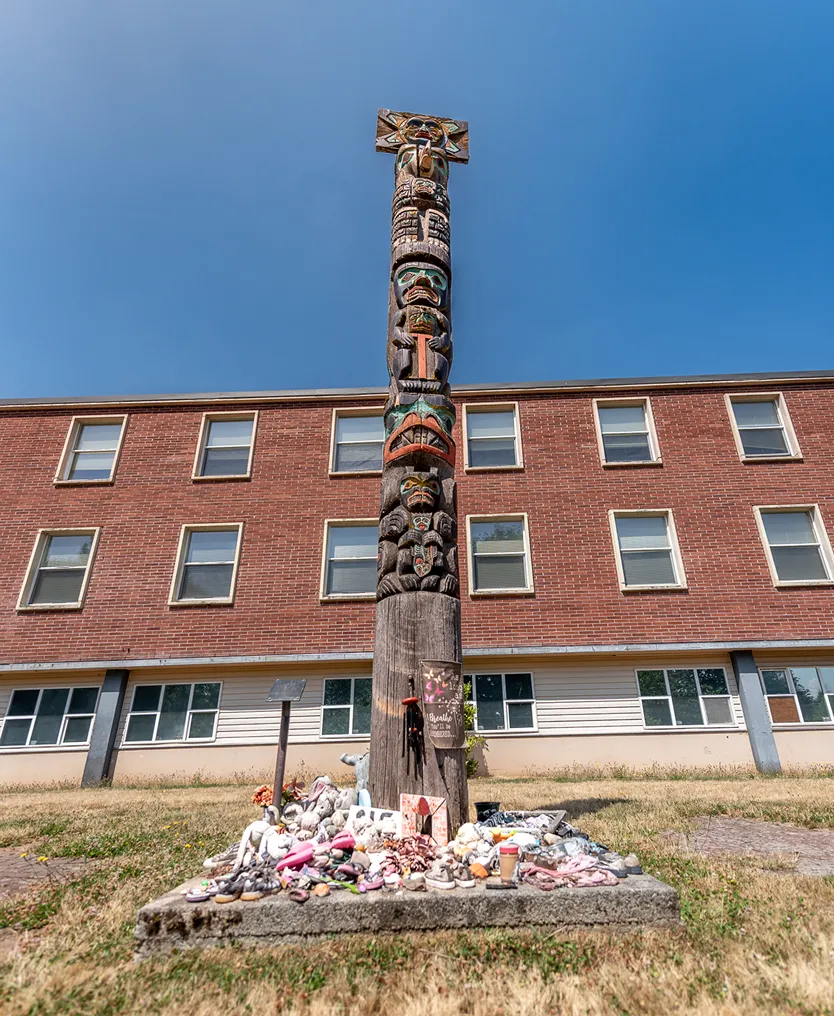
A totem pole in front of a brick building.

2006

The Indian Residential Schools Settlement Agreement (IRSSA) was approved, coming into effect in 2007. The IRSSA provided financial compensation to Survivors of institutions recognized by the Agreement, established the Truth and Reconciliation Commission, funded healing and commemoration initiatives, and led to Prime Minister Stephen Harper apologizing for the residential school system in Parliament in 2008. St. Mary’s Residential School was included under the Agreement.

A bunch of flowers that are on the ground.

2008

ATR Working Group grants access to the District of Mission for an Agricultural Impact Assessment related to a proposed public trail.

A grassy field with buildings in the background.

2021

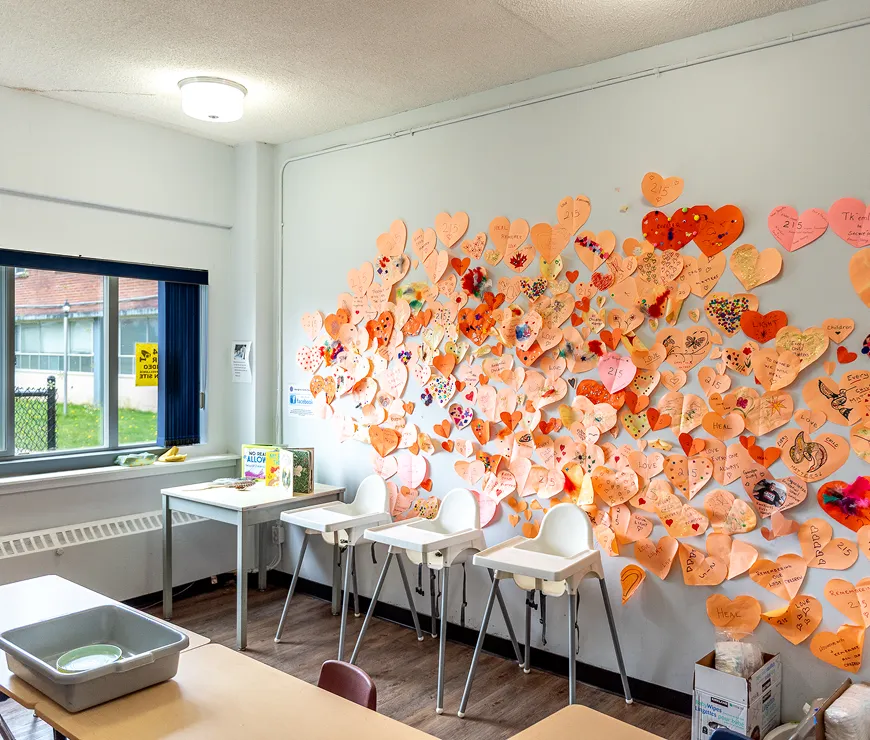
After the announcement of 215 potential unmarked graves at Kamloops Indian Residential School, the Stó:lō Nation Chiefs Council starts an investigation of the ground at the three residential schools in their territory, including St. Mary’s.

The Canadian Federal Government commits to give $100.1 million to support community plans to demolish and remediate former residential school buildings and sites on reserves across Canada. 

A bird perched on top of a stone pillar.

2022

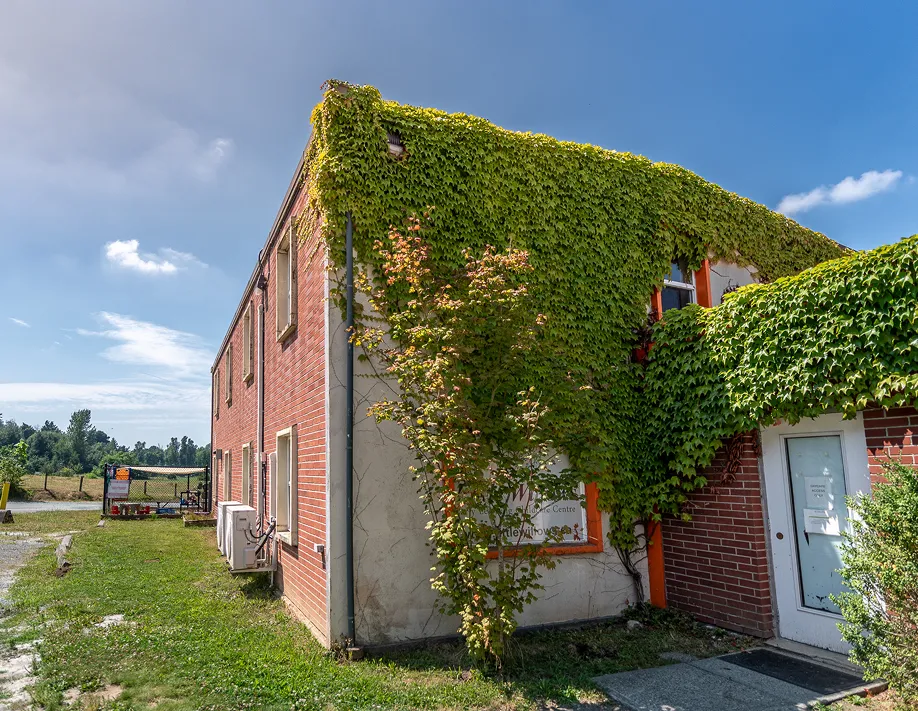
The twenty-one Stó:lō communities, through the Stó:lō Service Agency, inform tenants of Pekw’xe:yles (St. Mary’s) that the future of the former residential school buildings are under discussion. The notice explains that federal funding is now available to support demolition or replacement as part of reconciliation efforts, and that communities are exploring options for the site.

A house covered in vines next to a road.

2024

In February, Indigenous Services Canada (ISC) state that buildings on 34 sites of the 140 former residential schools recognized by the IRSSA were still in use, including at St. Mary’s. In the same year, St. Mary's tenants receive termination of lease letters from the Stó:lō Service Agency, with the option of month-to-month leases as the plans to demolish the site begin.

An aerial view of a building with a parking lot in front of it.

2027

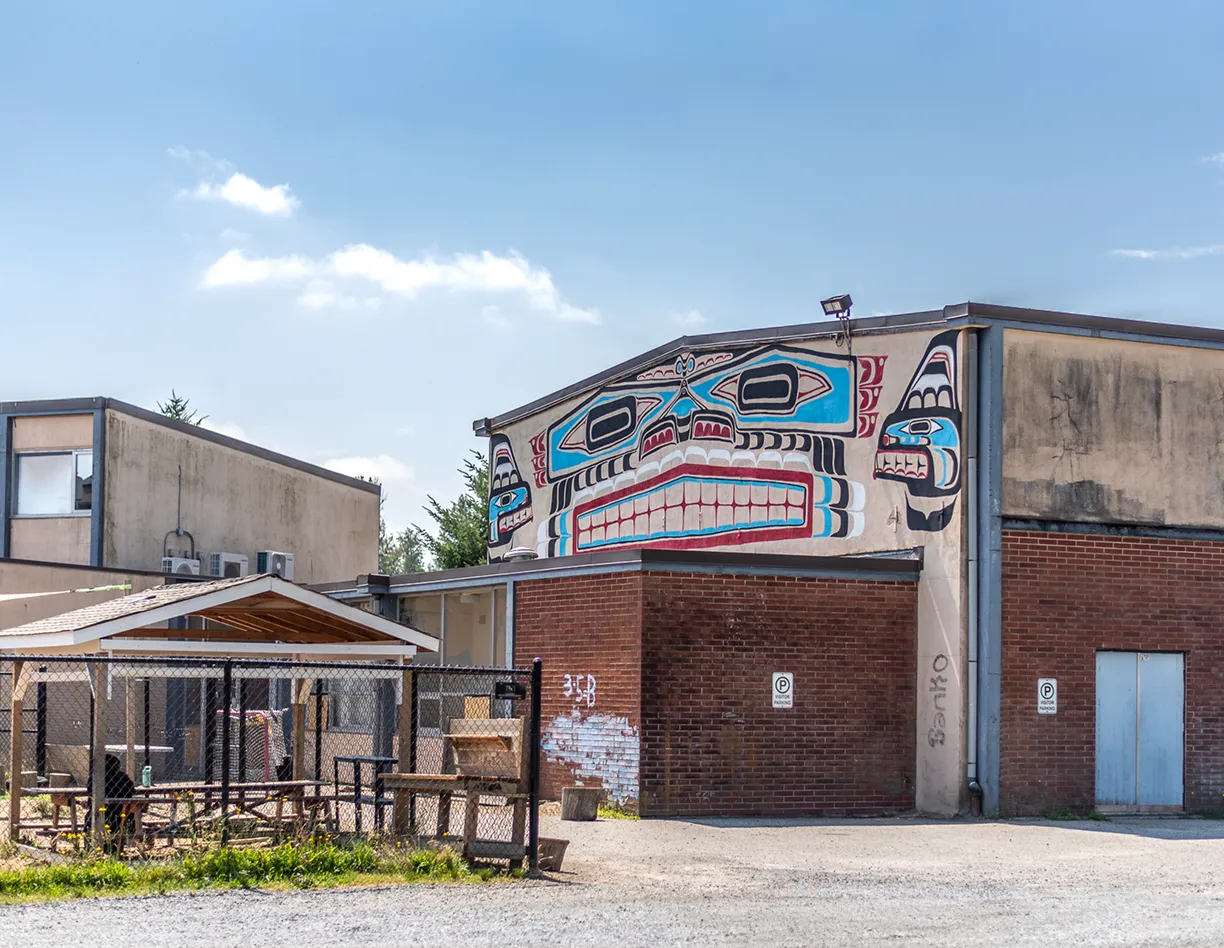
The site is scheduled for full deconstruction. Cultural protocols and community gatherings will guide this process, as the land is prepared for new purposes determined by the Stó:lō communities.

A building with a mural on the side of it.

2028

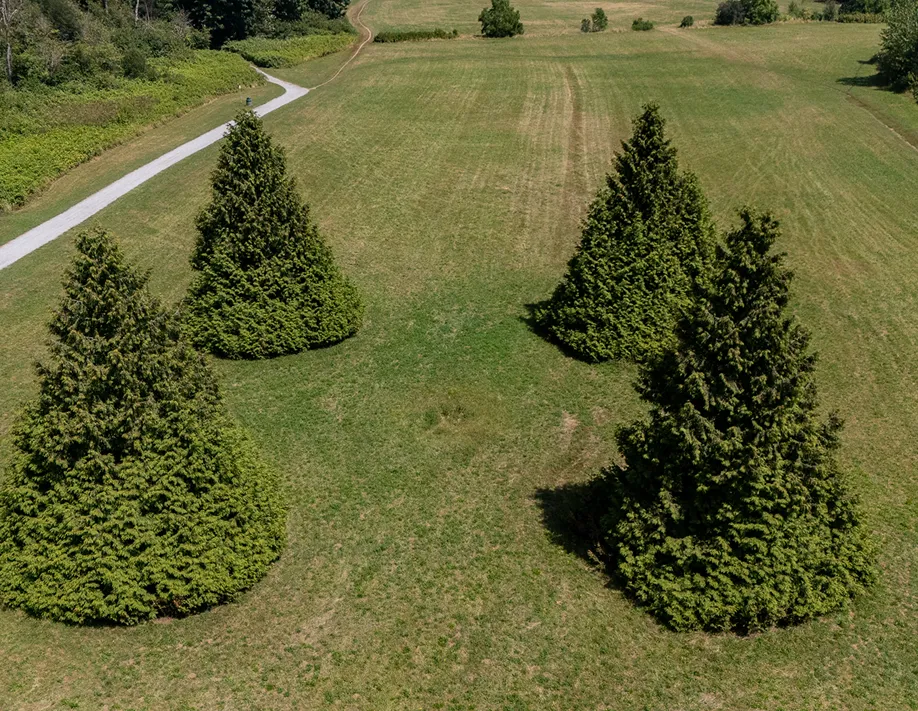
The proposed Interpretative Centre will open to the public (projected 2028). 

A group of trees that are in the grass.

What Comes Next Is Up To Us

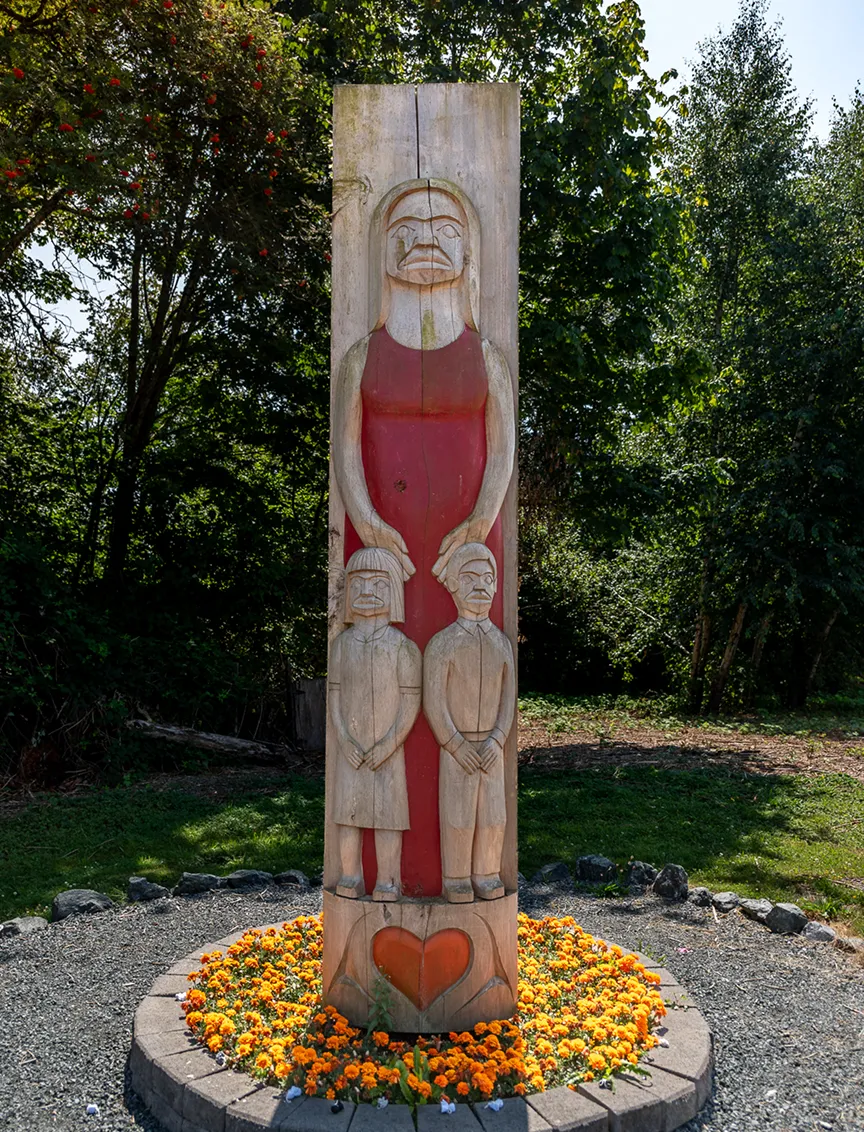
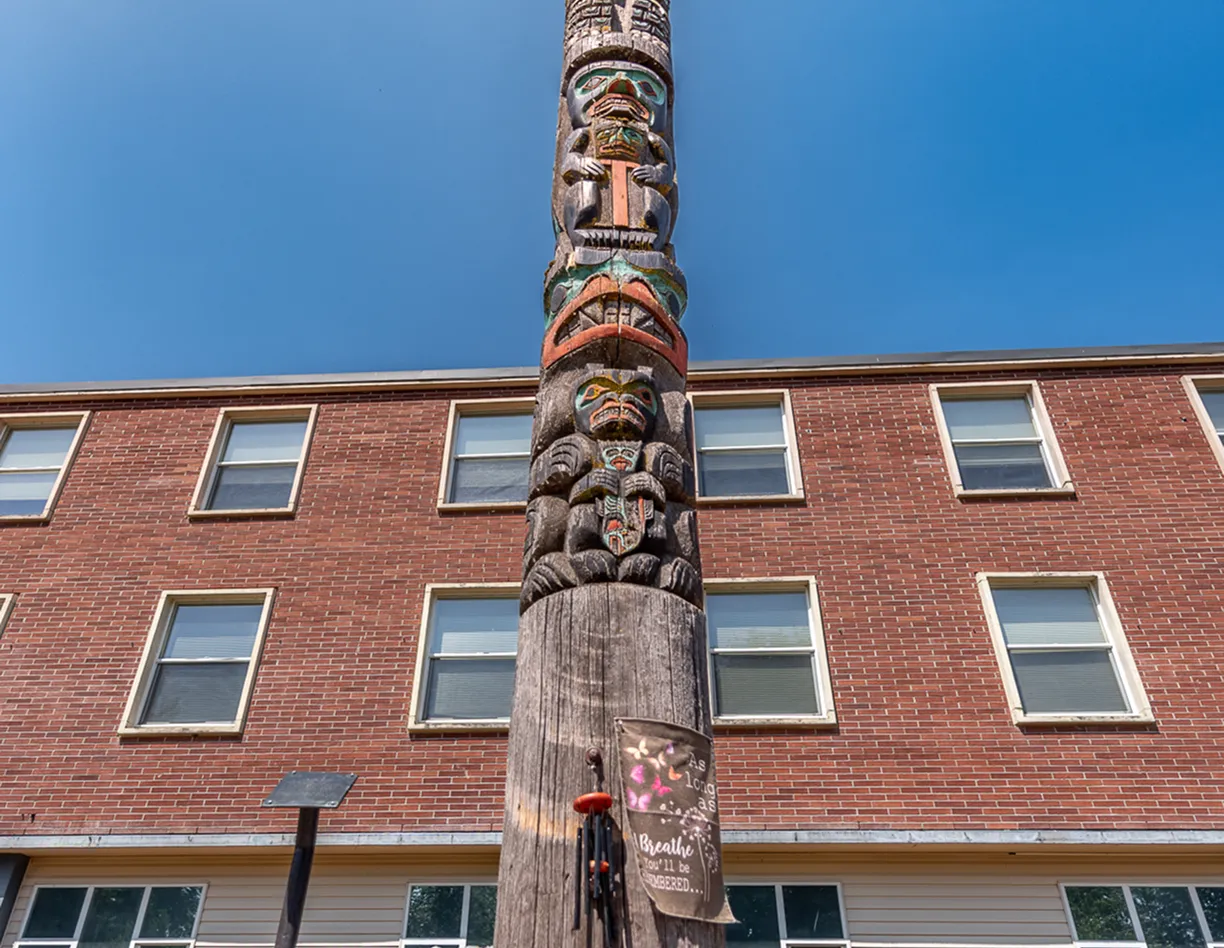
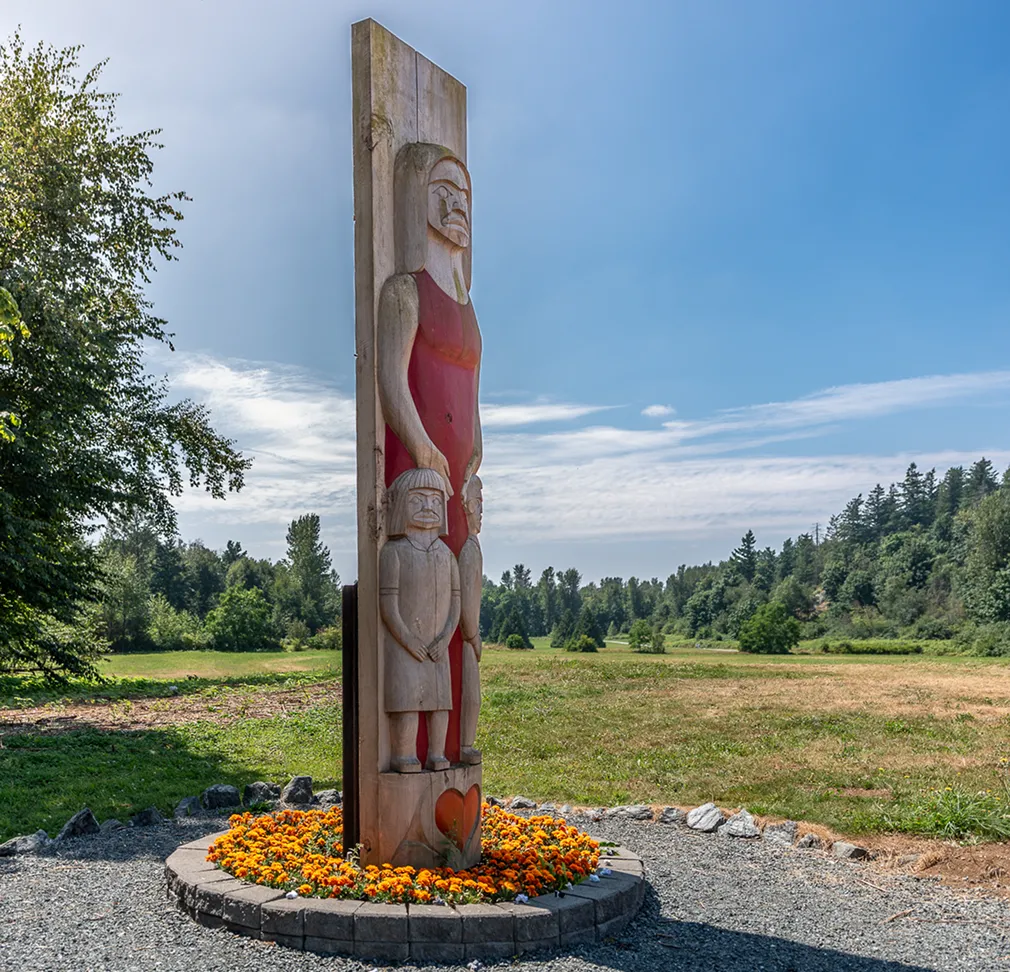
Wooden totem pole carved with stylized human figures, standing on a circular stone base surrounded by orange flowers in a grassy field under a blue sky.

For more than a century, Indigenous children were removed from their families and placed in institutions like St. Mary’s, where they were forbidden to speak their language, practice their culture, or live within their community. These buildings represent a system that caused deep and lasting harm.

Demolishing the former school buildings is not an erasure of what happened here. It is a step toward healing. These structures, some of which contain hazardous materials, no longer serve the community in their current form. With protocols in place, Stó:lō Collective is preparing the land for future use guided by our communities’ priorities.

What comes next will be shaped by the twenty-one Stó:lō communities who share this land.

Community Updates and Events

View upcoming events, cultural gatherings, and information sessions. If you are interested in a tour of St. Marys, please visit Stó:lō Tourism.

The History of Coqualeetza Hospital "Building 1"
News
November 21, 2025

The History of Coqualeetza Hospital "Building 1"

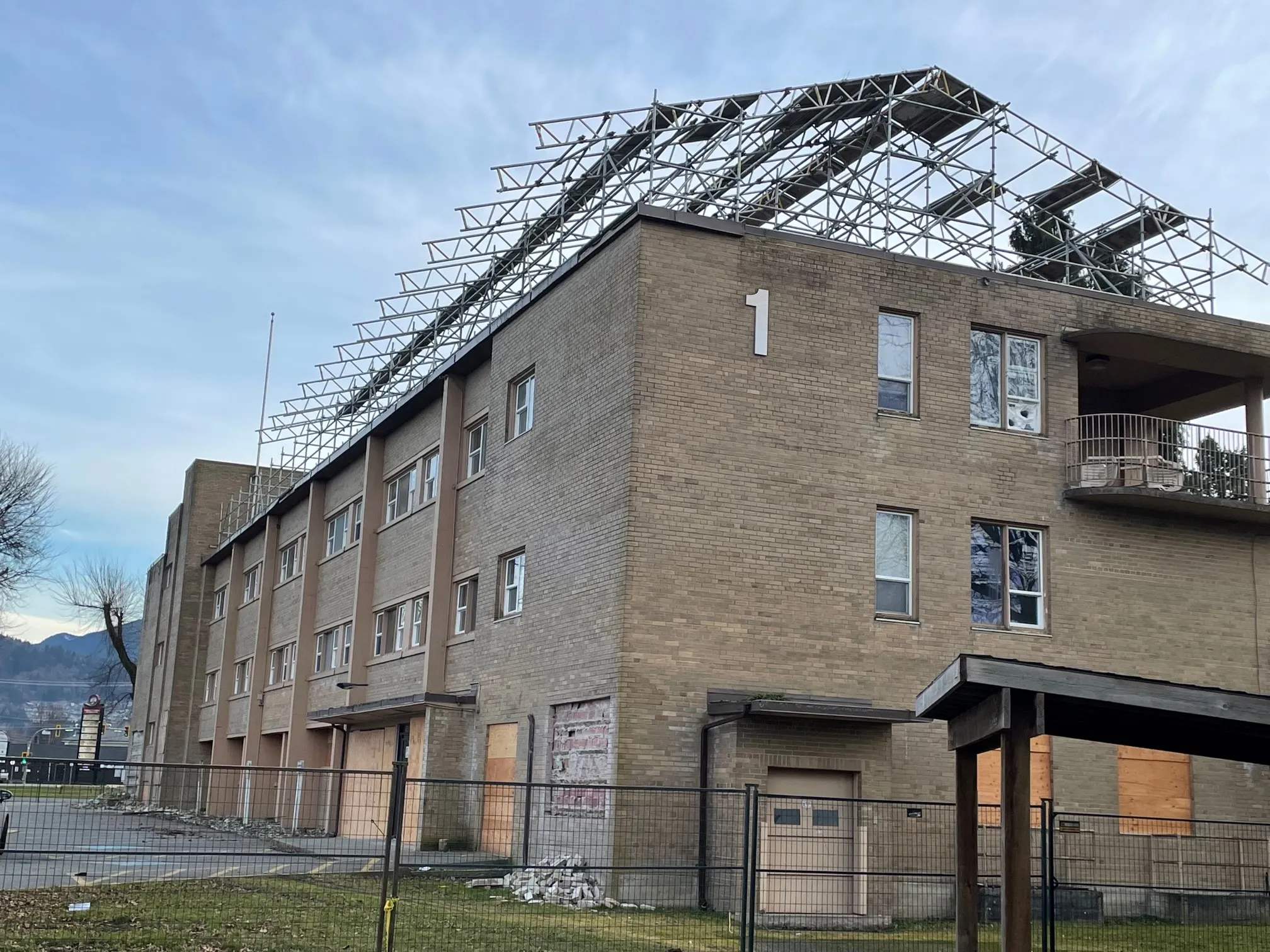
Situated on the Coqualeetza Grounds in Ts’elxwéyeqw territory in S’ólh Téméxw, the Coqualeetza Indian Hospital operated from 1941 to 1969. Following the closure of the hospital, the building itself took on many uses, including its use as administrative offices.

Read More
Meet the Stó:lō People of the River - Our Story
News
November 19, 2025

Meet the Stó:lō People of the River - Our Story

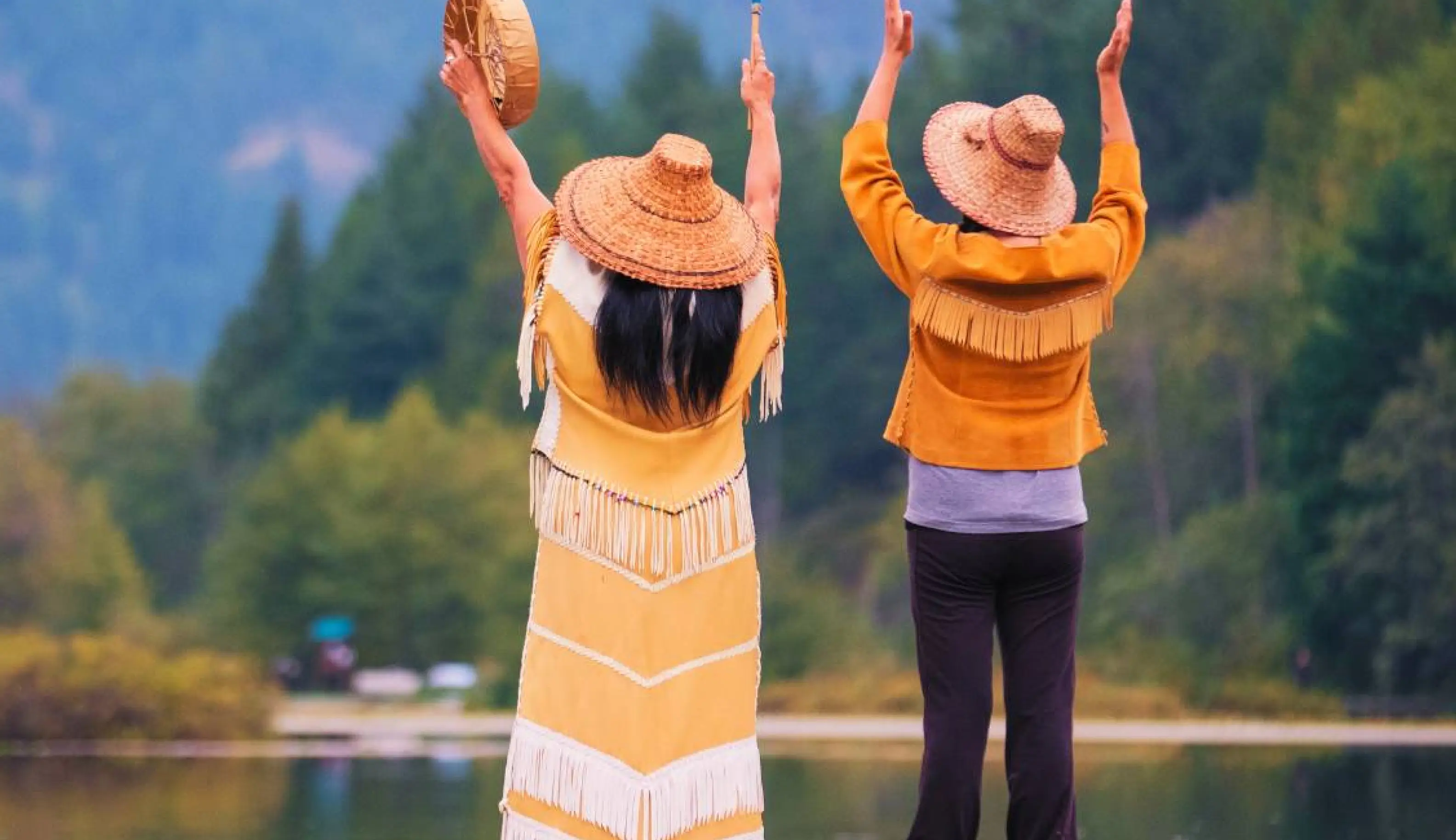
As part of OMNI Television's Indigenous Interstitial series, Patti Victor (Co-Director of Institute of Indigenous Issues & Perspectives at Trinity Western University Siya:m) shares the history of the Sto:lo People and walking the path to reconciliation in Canada.

Read More
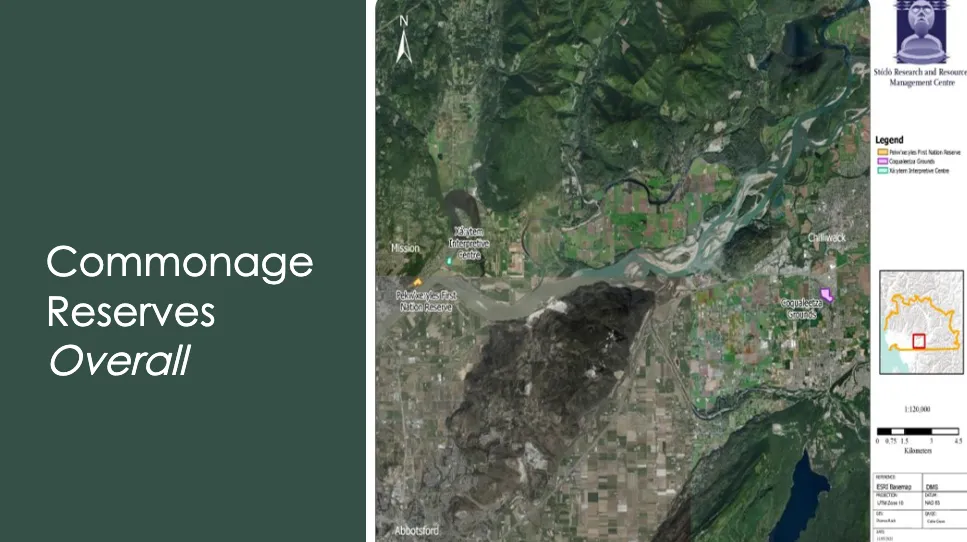
Overview Of Shared Properties
Updates
November 11, 2025

Overview Of Shared Properties

Download our report to see the latest updates on our three properties: Pekw’xe:yles (St. Mary’s), Coqualeetza, and Xá:ytem.

Read More
September 2025 Stó:lō Collective - 21 Communities
Meeting Minutes
September 15, 2025

September 2025 Stó:lō Collective - 21 Communities

The meeting began discussions about quorum requirements for First Nations meetings and deadlines for submitting preferences.

Read More

Frequently Asked Questions

Support is Here for You

We understand this process may be re-traumatizing for many. If you or someone you know is struggling, a National Indian Residential School Crisis Line is available for former Residential School Students. Support is here 24/7; please reach out.

Indian Residential School Survivors Society

1-800-721-0066 (toll-free)

National Indian Residential School Crisis Line

1-866-925-4419 (toll-free)

Métis Crisis Line

1-833-MétisBC (1-833-638-4722)

Kuu-Us Crisis Line Society

Crisis services for Indigenous people across BC
250-723-4050 (Adults/Elders line)
250-723-2040 (Youth line) or 1-800-588-8717 (toll-free)

Hope for Wellness Help Line

Immediate mental health counselling and crisis intervention

1-855-242-3310 (toll-free) or hopeforwellness.ca (confidential chat)

Have A Question?

Community members and visitors are welcome to reach out for more information, site access, or upcoming opportunities to gather.